



Executive Brief
When to Automate a Business Process: Real Costs, Changes, and Risks
Deciding when to automate a business process isn't about following trends—it's about understanding specific needs, costs, and potential disruption. You wouldn't replace a human-driven process until the benefits clearly outweigh the downsides. Automation isn't a panacea—it's a strategic tool.
Understanding the Right Timing
When should you automate a business process? Consider these criteria:
-
High Volume: Processes that handle a large volume of tasks can significantly benefit from automation.
-
Repetitive Nature: Tasks with repetitive patterns make ideal candidates.
-
Defined Rules: If a process operates under fixed criteria and logic, automation is feasible.
-
Current Inefficiencies: Identify processes with substantial delays or error rates.
Assess these factors carefully, then put draft automation strategies through rigorous testing before implementation.
What Not to Automate
- High-Variation Tasks: Avoid automating processes that require nuanced decisions or frequent human judgment.
- Customer Experience Interactions: Processes where human touch and empathy play critical roles.
- Creative Processes: Anything involving creativity or innovation often requires the distinct human touch.
Automation in these areas often leads to customer dissatisfaction and potentially loss of business.
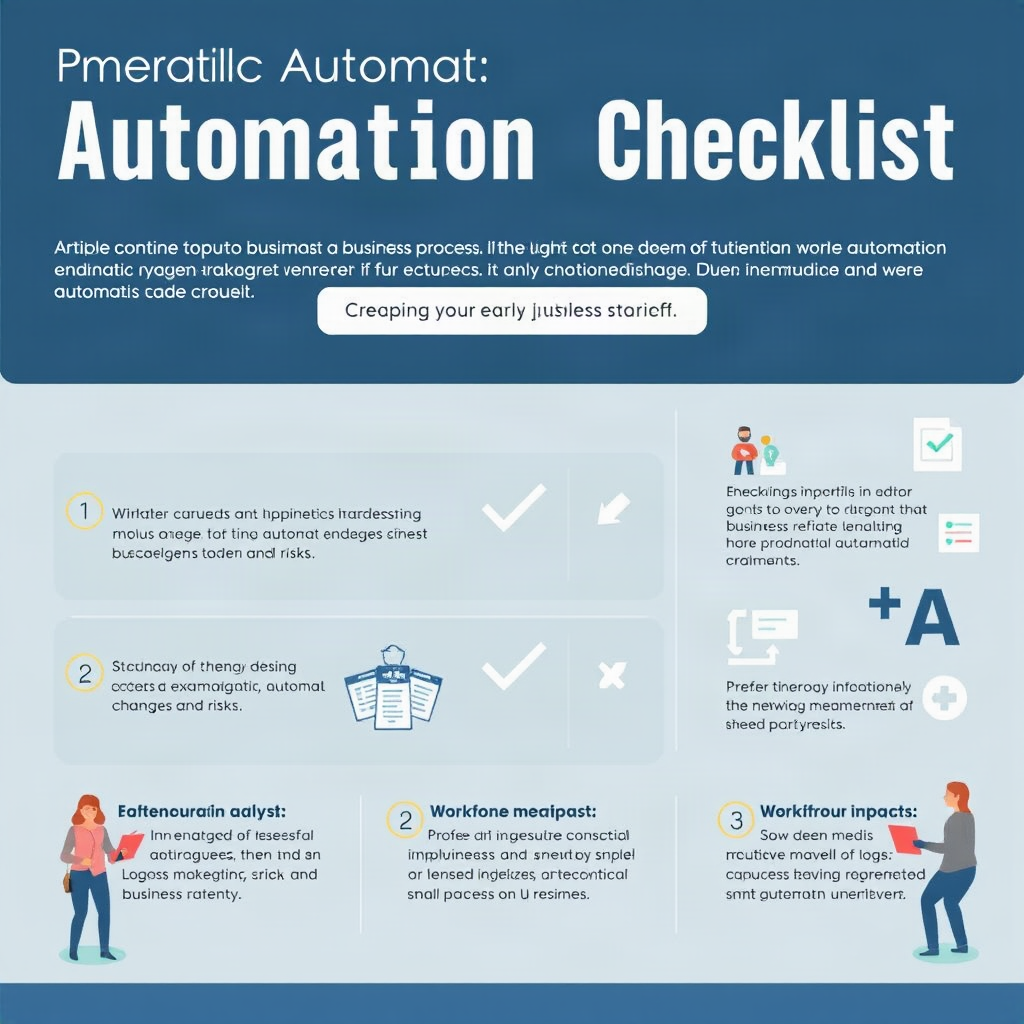
The Automation Checklist
Before automating, evaluate:
-
Financials: Do the setup and operational costs justify the potential gains? Use our cost calculator to analyze.
-
Impact on Workforce: Automation should enhance, not disrupt, team productivity. Prepare retraining as needed.
-
Technical Infrastructure: Ensure your systems can support new automated processes.
Conducting a digital transformation readiness audit can clarify these points and reveal the real impact.
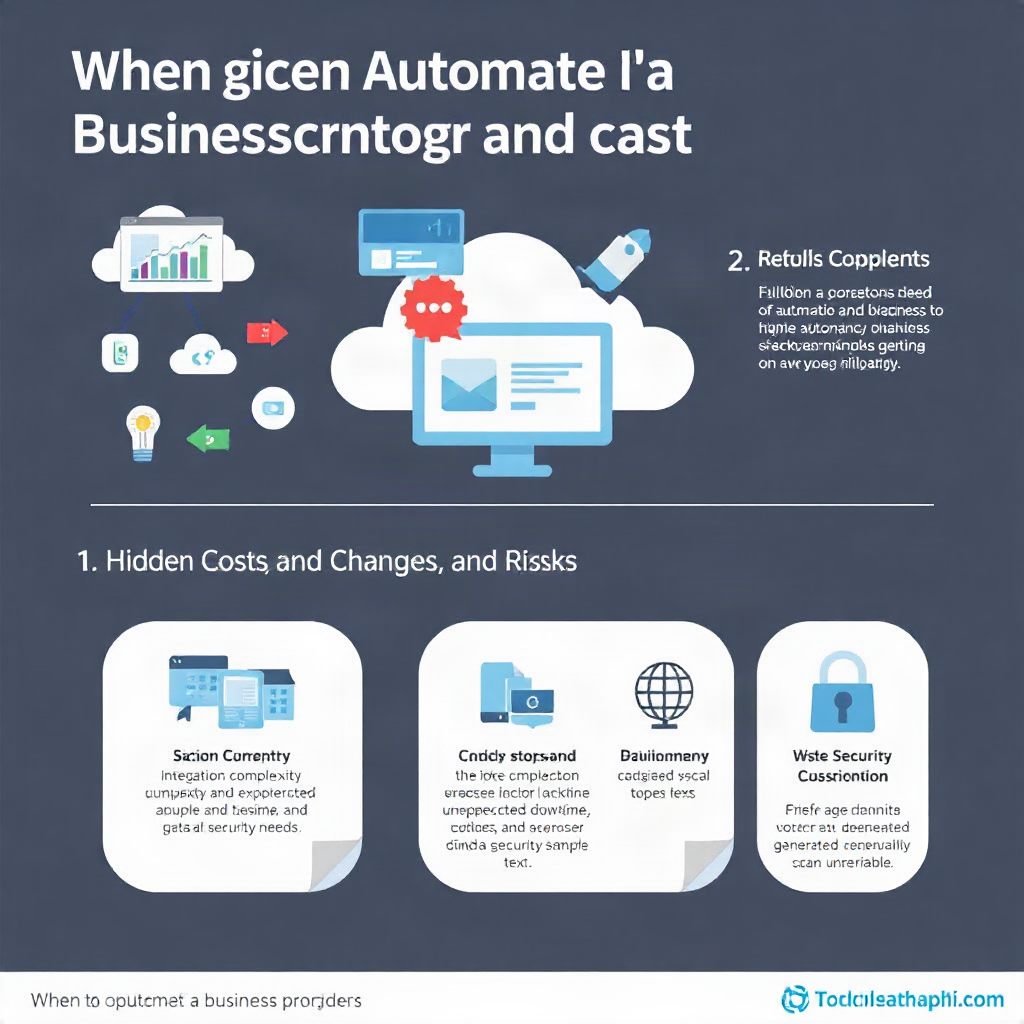
Hidden Costs and Changes of Automation
As of 2023, about 50% of automation projects overrun their budget, primarily due to unforeseen technical hurdles. Consider the following:
-
Integration Complexity: Merging automation with legacy systems is often underestimated.
-
Unexpected Downtime: During the transition phase, you may face interruptions.
-
Data Security: Automated systems require robust security protocols to prevent breaches.
These challenges emphasize the need for a strategic approach and highlight that automation isn't just a simple switch.
Case Example: Small Enterprise Transformation
A 30-person firm transitioned from dual spreadsheet systems to an automated CRM. This shift improved data consistency by 70%, but initial integration took 18 weeks longer than projected—highlighting the importance of thorough initial assessments and consultations with experts.
Conclusion: Making the Decision
Automation offers significant advantages but requires a tailored approach. If you’re considering automation, start with a strategy session to ensure that the benefits align with your business model. Consider a readiness audit to verify your path forward.
Learn More
For further insights on aligning digital strategies with automated processes, explore our offerings in digital transformation and AI automation.
Ashavid Admin
ADMIN
Expert analysis on digital transformation and global mobility strategies. Committed to engineering future-ready businesses.
Frequently Asked Questions
Q1What factors determine when to automate a business process?+−
Consider high volume, repetitive nature, defined rules, and current inefficiencies. Assess readiness before automation.
Q2What processes should not be automated?+−
Avoid automating high-variation tasks, customer service interactions, and creative processes requiring human touch.
Q3What are the hidden costs of automation?+−
Hidden costs include integration complexities, unexpected downtime, and needing robust data security measures.
Q4How can an audit help in automation?+−
An audit can assess your readiness, pinpoint inefficiencies, and guide strategic implementation to minimize risks.
Q5What resources can help with digital transformation and automation?+−
Explore our digital transformation and AI automation services for strategies and structured implementation.
Have a question about this article?
Use the article chat assistant in the bottom-right corner to ask questions, get a quick summary, or explore any point discussed in this article.