



Executive Brief
Opening the Door to Digital Access
As of now, every digital space in Ontario must adhere to the Accessibility for Ontarians with Disabilities Act (AODA) or face potential penalties. Compliance isn’t merely a checkbox—it’s a continuous commitment to inclusivity.
The Tradeoff: Cost vs. Compliance
Building an accessible digital platform often results in higher upfront costs. However, the cost of non-compliance—both financially and reputationally—can be much steeper. Businesses navigating this field need to balance the investment in accessibility against the risk of penalties and the loss of potential customers.
Web Accessibility: More Than a Checklist
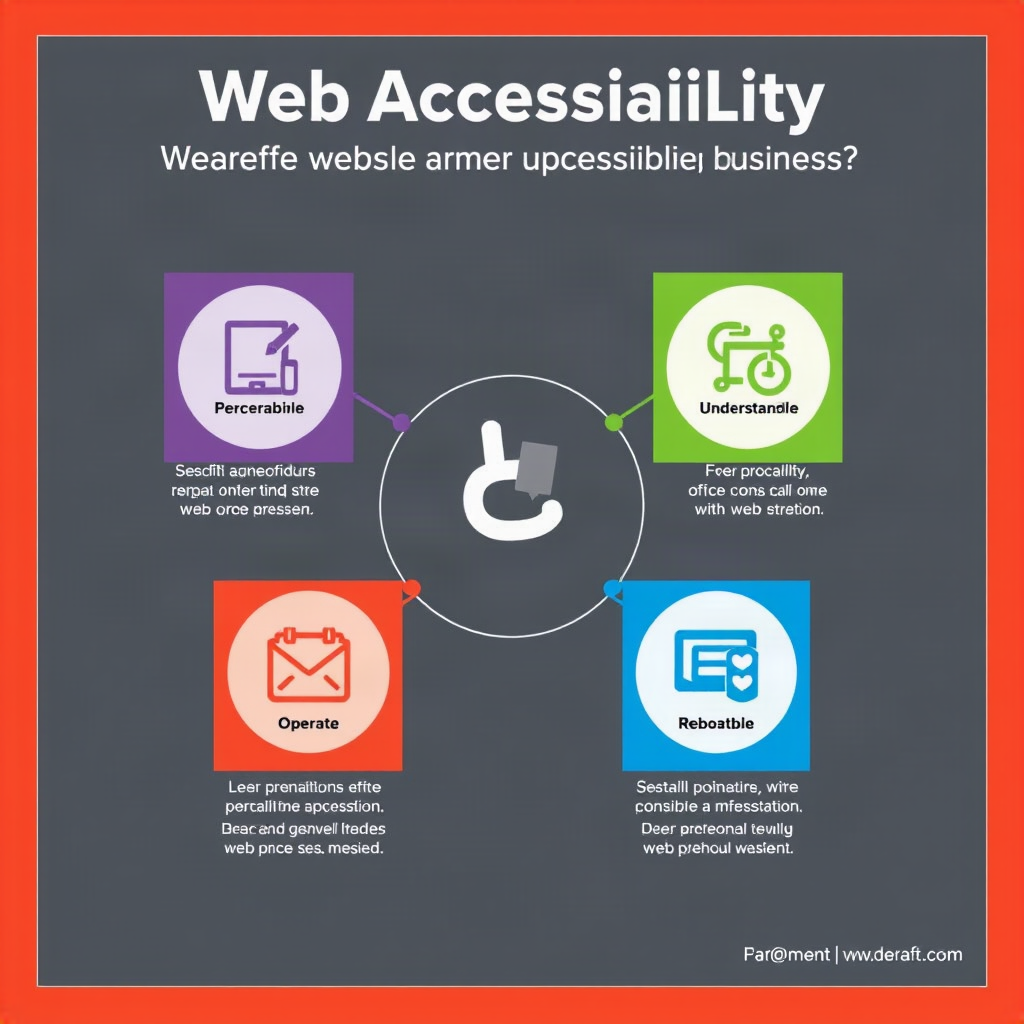
Web accessibility requirements in Canada are defined by the Web Content Accessibility Guidelines (WCAG) 2.0 standards. At first glance, these guidelines offer a comprehensive checklist, but the real challenge lies in practical implementation:
-
Perceivable: Ensure content is available through different sensory modalities (e.g., screen readers).
-
Operable: Interfaces should be navigable via keyboard and other assistive devices.
-
Understandable: Information and operation must be clear and comprehensible.
-
Robust: Content must be compatible with various assistive technologies.
Detailed Steps Towards Compliance
Step 1: Audit Your Current Systems
Before any changes, know exactly where your current digital assets stand. Consider using our digital audit services to identify areas needing improvement.
Step 2: Implement Changes
After an audit, prioritize changes based on compliance gaps. Our product development services can assist in making these critical adjustments.
Step 3: Continuous Monitoring and Adaptation
AODA compliance is not a one-time effort. It requires ongoing monitoring and updates to maintain accessibility as technologies and guidelines evolve.
What Web Accessibility is Not
Accessibility isn’t simply making a website available on mobile devices. It’s also not about providing an alternate website for users with disabilities. True accessibility involves integrating features that support all potential users in the same digital environment.
Strategic Decision: Compliance and Beyond
For those considering international expansion, being WCAG compliant also simplifies meeting accessibility standards abroad. If unsure where to begin, consider booking a strategy session with our experts.
When web accessibility aligns with your strategic objectives, it positions your business as forward-thinking and inclusive. If this roadmap resonates, Ashavid can support your transition—contact us to learn how we can drive your digital transformation.
Ready to Proceed? Start by exploring our programs overview to find the right pathway to integration.
Conclusion
Investment in accessibility is an investment in a company's future resilience. Implementing these requirements today not only secures compliance but also broadens reach and enhances brand equity.

Ashavid Admin
ADMIN
Expert analysis on digital transformation and global mobility strategies. Committed to engineering future-ready businesses.
Frequently Asked Questions
Q1What are web accessibility requirements in Canada?+−
Web accessibility requirements in Canada involve complying with standards like WCAG 2.0 and laws such as AODA, ensuring digital content is accessible to all individuals, including those with disabilities.
Q2What is AODA compliance?+−
AODA compliance refers to meeting the standards set by the Accessibility for Ontarians with Disabilities Act, a legal framework to make all public spaces, including websites, accessible by specific deadlines.
Q3Why is WCAG important for businesses?+−
WCAG provides guidelines for making web content more accessible to people with disabilities, ensuring that businesses can serve a wider audience and comply with legal requirements.
Q4How can businesses check their website's accessibility?+−
Businesses can conduct audits using services like Ashavid's digital audit or employ accessibility tools to evaluate and improve their websites' compliance with accessibility standards.
Q5What happens if a business isn't compliant with AODA?+−
Failure to comply with AODA may result in penalties, legal consequences, and potential loss of business due to inaccessibility.
Have a question about this article?
Use the article chat assistant in the bottom-right corner to ask questions, get a quick summary, or explore any point discussed in this article.