



Executive Brief
Navigating Canada’s Data Privacy Law Changes: A Guide for Founders
On June 18, 2023, the Canadian government implemented significant changes to the Personal Information Protection and Electronic Documents Act (PIPEDA), impacting how small businesses handle personal data. These data privacy law changes in Canada demand proactive adjustments for SMEs and startups.
New Requirements: Consent and Breach Reporting
Under the updated PIPEDA regulations, businesses must now obtain explicit consent from customers before collecting or using personal data. This shift raises a critical question: how do operators implement these changes without stalling operations?
-
Explicit Consent: Rather than relying on implied consent, founders must clearly communicate how data will be used and ask for customer agreement. This involves revising all consent forms and privacy policies, integrating them seamlessly into user experiences, not buried in legalese.
-
Breach Reporting: The changes mandate timely reporting of data breaches to both affected individuals and the Privacy Commissioner. Companies should establish internal protocols to detect, assess, and report breaches efficiently, minimizing potential reputational damage.
The Impact on Digital Operations
If your business can pay for visibility, your platform must ensure that visibility is the only benefit bought—this philosophy now extends to data privacy. No more vague assurances; concrete measures are essential.
-
Transparent Data Management: As of 2023, every system holding customer data requires robust encryption and detailed activity logs. Audits become indispensable to verify compliance. Digital transformation services can optimize your data handling processes for these new standards.
-
Data Minimization: Keep only the essential data, reducing storage costs and risks. Evaluate current databases and scrub unnecessary information. This practice not only aligns with privacy standards but also streamlines data management.
A Practical Response for SMEs
To align with these legal shifts, businesses could start by conducting a digital transformation readiness audit. This audit identifies gaps in current systems and recommends tailored strategies for compliance without disrupting daily operations.
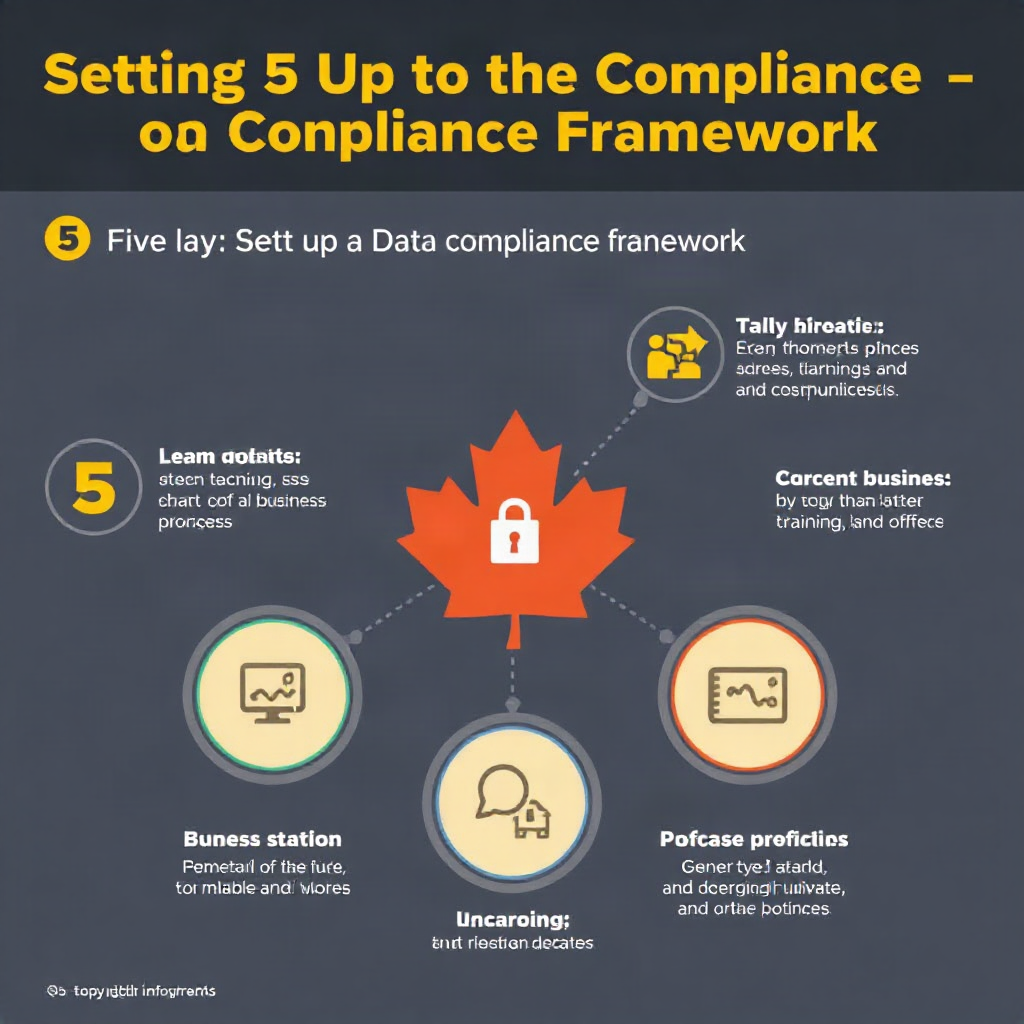
Setting Up a Compliance Framework
-
Update Privacy Policies: Ensure all policies reflect the latest legal requirements and present them clearly on your website.
-
Train Your Team: Conduct workshops to educate all staff members on handling personal data correctly and understanding the repercussions of non-compliance.
-
Monitor Continuously: Establish ongoing monitoring and assessment procedures. This approach allows for quick adaptations to any small-scale breaches, maintaining trust with your clients.
The Decision to Act
Implementing these data privacy changes isn’t optional—it’s essential for maintaining competitive advantage and compliance. For founders looking at the broader picture, consider how these shifts integrate into long-term business strategy. Whether by updating systems, booking a strategy session, or seeking professional guidance, the decision to adapt lies in cementing trust and operational integrity.
Stay ahead by converting these legislative updates into strategic opportunities, ensuring your business thrives under the new data privacy landscape.
Ashavid Admin
ADMIN
Expert analysis on digital transformation and global mobility strategies. Committed to engineering future-ready businesses.
Frequently Asked Questions
Q1What are the key changes to data privacy laws in Canada in 2023?+−
In 2023, Canada's data privacy laws require explicit consent for data collection and mandatory breach reporting. These changes impact how businesses interact with customer data.
Q2How does PIPEDA affect small businesses?+−
PIPEDA updates necessitate small businesses to revamp their data policies, ensuring explicit consent is obtained and breaches are reported efficiently. This impacts customer trust and legal compliance.
Q3What should businesses do to comply with the new data privacy laws in Canada?+−
Businesses should update privacy policies, train staff on data handling, and establish breach reporting protocols to comply with new Canadian data privacy laws.
Q4Why is explicit consent important under the new PIPEDA rules?+−
Explicit consent ensures customers are fully informed about how their personal data will be used, strengthening trust and compliance with legal standards.
Q5How can businesses monitor compliance with data privacy laws?+−
Businesses can monitor compliance by conducting regular audits, such as a digital transformation readiness audit, and setting up continuous data management assessments.
Have a question about this article?
Use the article chat assistant in the bottom-right corner to ask questions, get a quick summary, or explore any point discussed in this article.