


Executive Brief
Introduction
Small businesses are digital front-runners in today’s economy, yet they face immense challenges in securing their online presence. As of 2023, over half of small businesses in the U.S. have experienced a data breach, underlining the gravity of weak website security. Establishing a robust security infrastructure is not just about SSL anymore; it involves a comprehensive approach to guard against diverse threats.
The Underlying Tension
SSL certificates encrypt data between user and server, but they don't protect the server itself. For a business relying on WordPress, known vulnerabilities in plugins can open doors for cyberattacks. The hard part? Balancing ease of use with tight security protocols without overspending.
More Than Just Encryption
First and foremost, SSL (Secure Socket Layer) is a fundamental standard. It ensures that data transferred between servers and clients is encrypted. An SSL certificate is essential for building trust, yet sites require broader defenses.
-
Regular Software Updates: Critical for WordPress; plugins and themes should be updated frequently.
-
Robust Access Controls: Limit access permissions strictly by need.
For those interested in broadening their digital framework, consider exploring our digital transformation services.
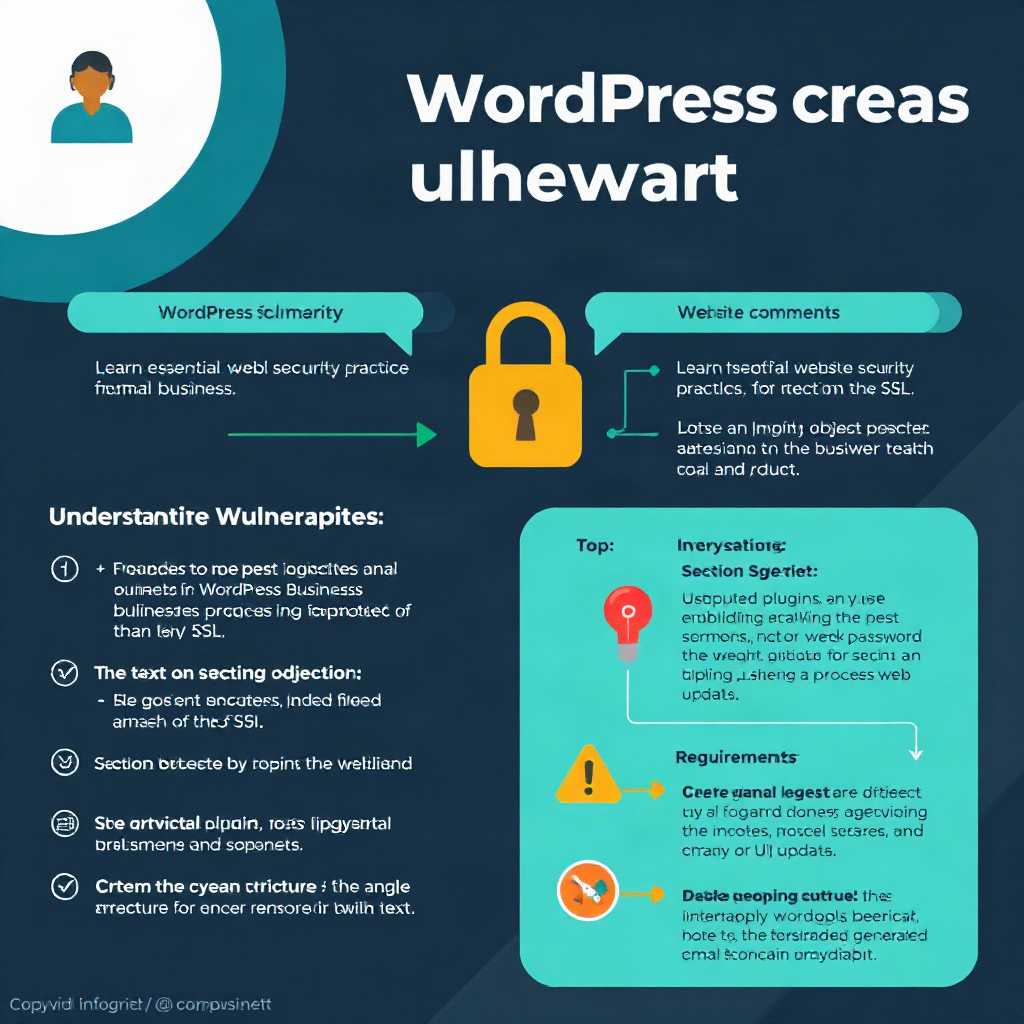
Understanding WordPress Vulnerabilities
Over 30% of websites use WordPress, making it a primary target. Key vulnerabilities include:
-
Outdated Plugins: As of 2023, 52% of exploited vulnerabilities came from non-updated plugins.
-
Weak Passwords: Common passwords still account for almost 20% of site breaches.
Actionable steps include routine audits, which you can explore further under our website and digital audit services.
Securing Access Points
Implementing multi-factor authentication adds a layer of security to your login process. It's crucial for preventing unauthorized access and can be managed without significant user friction.
The Role of Training
Human error is a leading cause of security breaches. Training employees on basic cybersecurity practices can significantly reduce this risk. This involves:
-
Recognizing phishing attempts
-
Securing local devices
Explore our operations performance services to enhance your human resources’ efficiency.
Choosing the Right Partners
Invest in security tools that fit your company size without unnecessary extras. Evaluate costs using our pricing calculator to ensure that you’re not overspending.
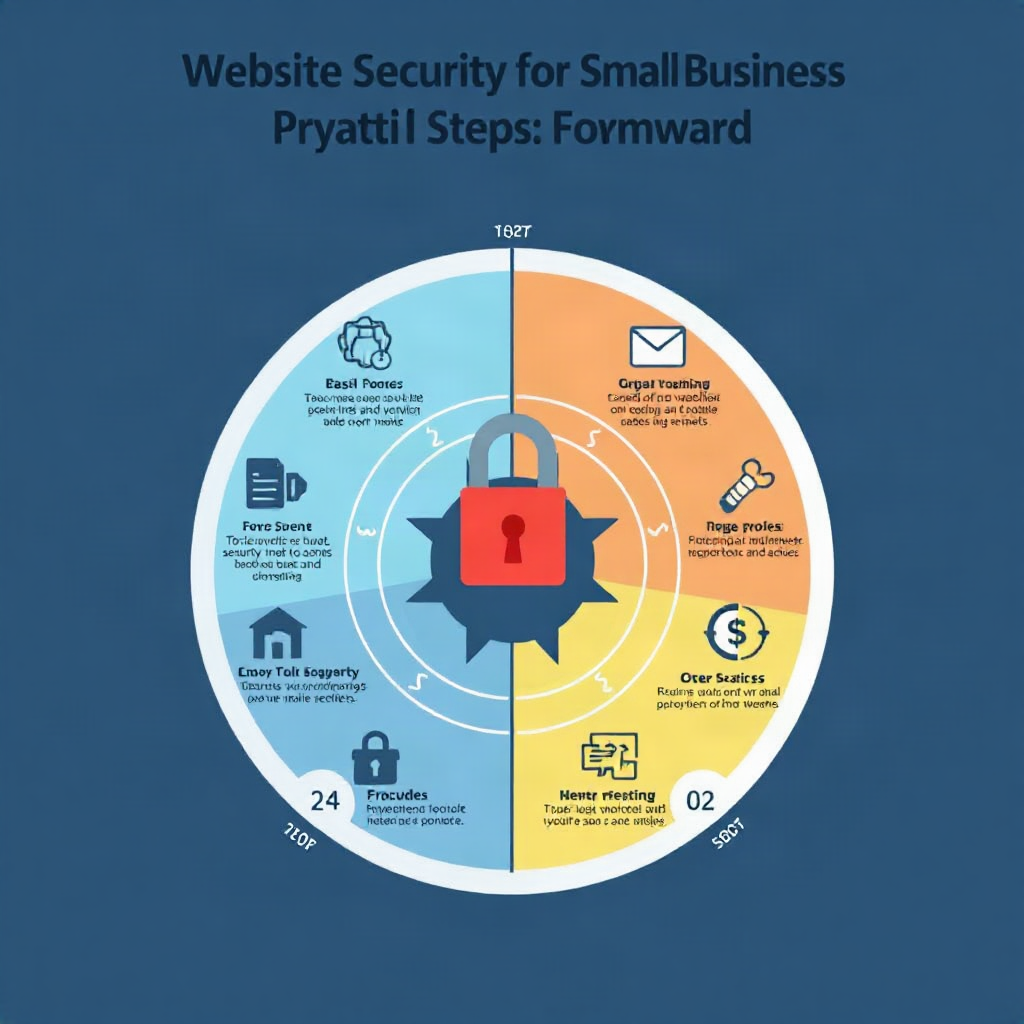
Practical Steps Forward
- Audit Your Current State: Identify vulnerabilities with our digital transformation readiness audit.
- Formulate a Security Policy: Clear guidelines mitigate risk — establish one company-wide.
- Engage Professional Help: Book a strategy session to discuss tailored security solutions.
Website security for small business demands more than mere SSL. It requires a detailed strategy that incorporates technical defenses, staff training, and regular audits. Ashavid provides the tools to ensure your business remains a trustworthy digital partner.
By taking deliberate action and leveraging expert resources, you can secure your assets and maintain customer trust — critical in today’s landscape.
Decision Point
Your next move depends on the state of your digital security framework. For those unsure where to start, Ashavid’s audits and strategy sessions can provide the clarity needed to move forward with confidence.
Ashavid Admin
ADMIN
Expert analysis on digital transformation and global mobility strategies. Committed to engineering future-ready businesses.
Frequently Asked Questions
Q1What is website security for small business?+−
Website security for small business involves protecting your site from threats like hacking and data breaches. It's crucial to have SSL, secure hosting, and updated software.
Q2Why is SSL not enough for website security?+−
SSL encrypts data but doesn't protect your website from other vulnerabilities like outdated plugins or unauthorized access. Comprehensive security requires a multi-layered approach.
Q3What are common WordPress vulnerabilities?+−
Common vulnerabilities include outdated plugins and themes, weak passwords, and lack of updates. These can be mitigated by regular maintenance and strong security practices.
Q4How often should website security audits be conducted?+−
It's ideal to conduct security audits quarterly. However, after any software update or structural website change, an immediate audit is recommended.
Q5What basic practices can enhance website security?+−
Regular software updates, strong passwords, limited user permissions, and multi-factor authentication are essential basic practices for enhanced website security.
Have a question about this article?
Use the article chat assistant in the bottom-right corner to ask questions, get a quick summary, or explore any point discussed in this article.