


Executive Brief
Bridging the Gap: Realistic Timelines for Website Development
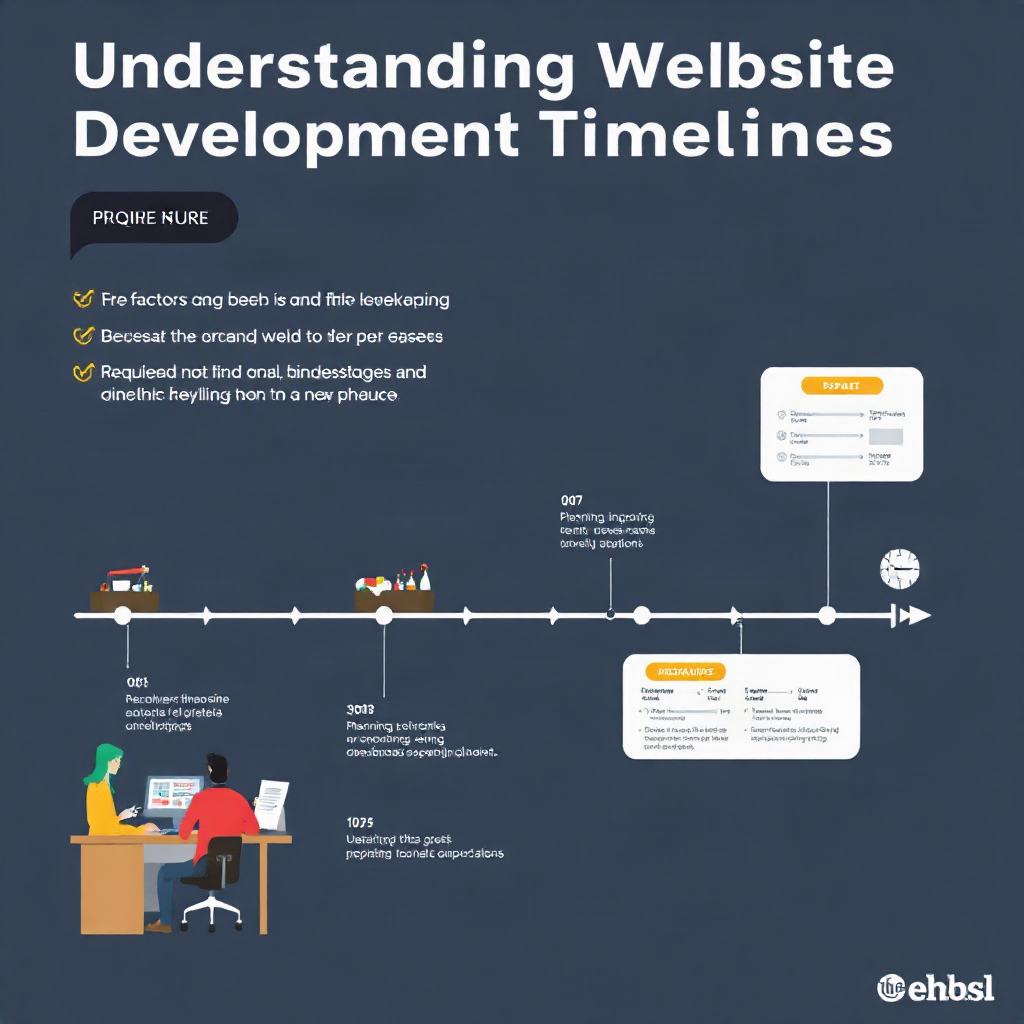
Building a website is more than coding—it’s a strategic process that can range from four weeks to six months. To navigate this path efficiently, decision-makers must understand what drives these timelines.
Mapping the Journey: What Influences Website Timelines?
The timeline for a website isn’t arbitrary. It’s shaped by three primary factors:
-
Complexity: A single-page showcase site may launch in a month, while a robust e-commerce platform could take half a year. More features require more time.
-
Resources: A dedicated team with clear roles can expedite the process. However, a lack of skilled developers or unclear project management can lead to delays.
-
Design and Revisions: Custom designs and integral testing require additional phases for feedback and revisions, particularly for user-centric sites.
Breaking Down the Process
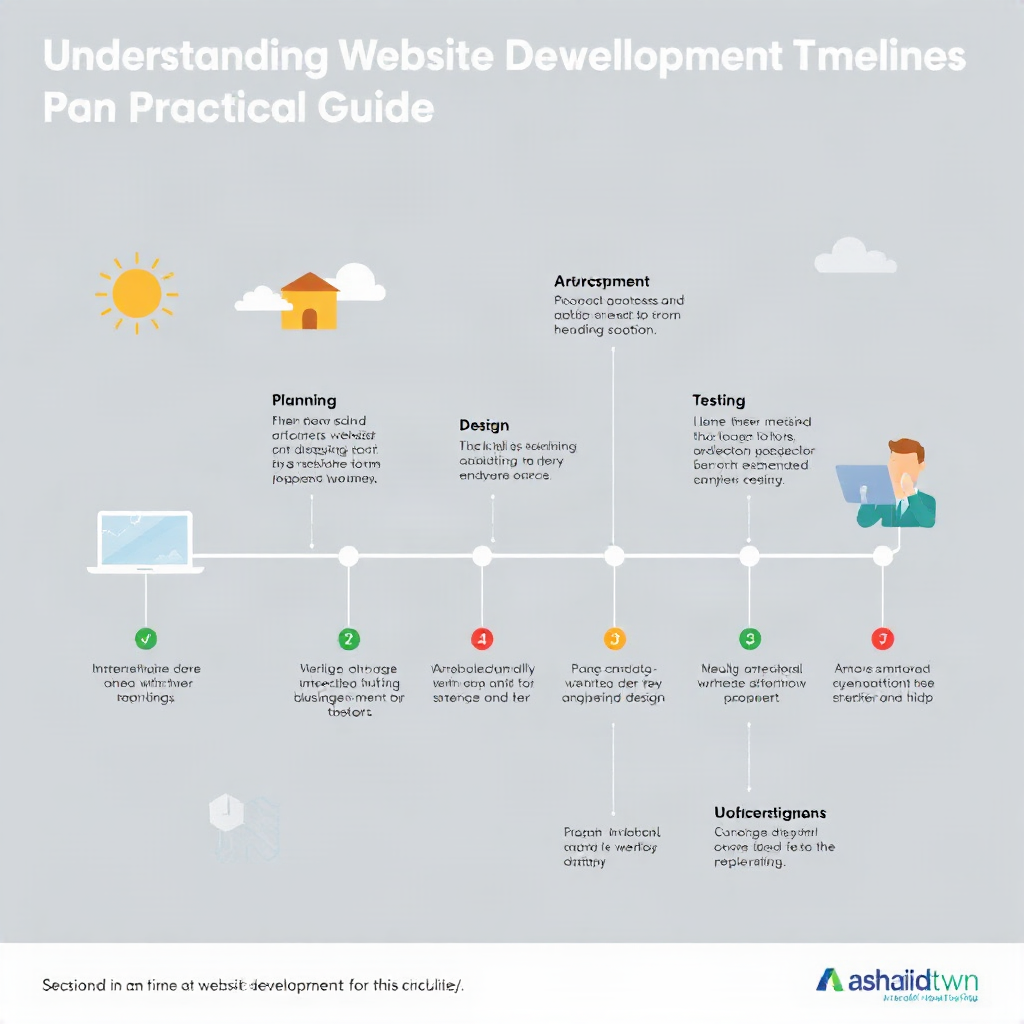
Here’s a snapshot of a typical development timeline:
-
Planning and Research (1-4 weeks): Define goals, target audience, and scope. This phase often uncovers constraints or untapped opportunities.
-
Design (2-6 weeks): Create wireframes and mockups. Early design feedback is crucial—it’s easier to adjust a blueprint than change the structure later.
-
Development (4-12 weeks): Coding and integrating features come next. Full-stack developers build functionality, while front-end specialists focus on user experience.
-
Testing and Launch (1-4 weeks): Thorough testing ensures the site functions perfectly across browsers and devices. Launch preparation involves final tweaks and stakeholder approvals.
Avoiding Common Pitfalls
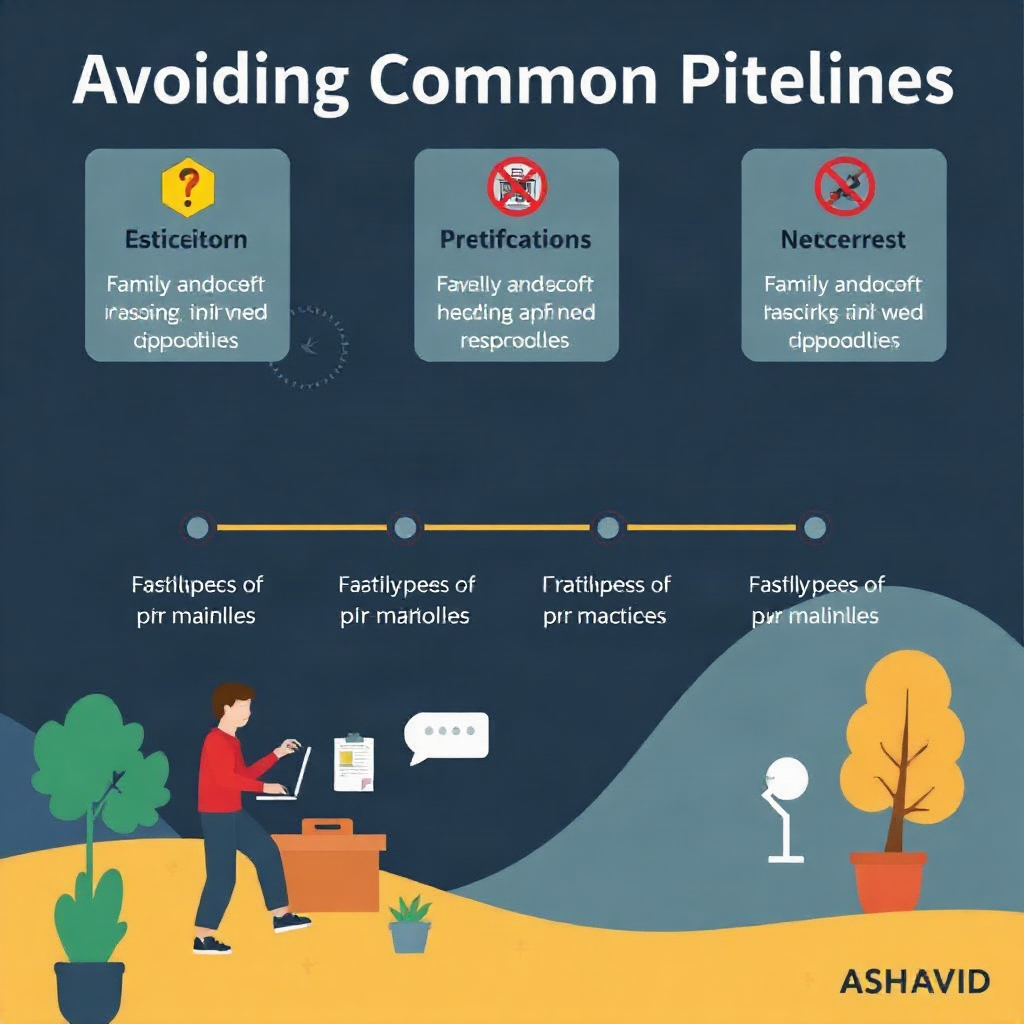
While it might be tempting to rush the process, speed can compromise quality:
-
Overlooking Strategy: Skipping the planning phase often leads to scope creep and confusion. Clear objectives prevent resource misallocation.
-
Neglecting Iteration: Expecting a perfect launch without iterative feedback can result in user dissatisfaction. Frequent adjustments can mitigate this risk.
Making Informed Decisions
Before commencing a project, engage in a digital transformation readiness audit to align your vision with execution. This helps tailor your expectations based on real-world variables, not just aspirations.
The Right Steps Forward
As you evaluate your website needs, consider product development solutions that align technical realities with business objectives. Should you require a detailed inspection of your current strategies, a comprehensive website and digital audit could redefine your path.
In closing, if your organization is ready to embark on this journey, Ashavid offers targeted programs to bolster every phase of your digital transformation. Book a strategy session to explore customized support aligned with your unique requirements.
Ashavid Admin
ADMIN
Expert analysis on digital transformation and global mobility strategies. Committed to engineering future-ready businesses.
Frequently Asked Questions
Q1What factors influence website development timelines?+−
Key factors include the complexity of the site, available resources, and the need for custom designs and revisions. Each affects the overall timeline.
Q2Is it possible to speed up the website development process?+−
Yes, by ensuring clear planning, engaging a skilled team, and minimizing revisions, the process can be expedited without sacrificing quality.
Q3What is the first step in building a website?+−
The first step is planning and research, where goals, target audience, and project scope are defined. This sets the groundwork for successful development.
Q4How can a digital audit help in website development?+−
A digital audit aligns business goals with technical realities, offering insights into current strategies and identifying areas for improvement.
Have a question about this article?
Use the article chat assistant in the bottom-right corner to ask questions, get a quick summary, or explore any point discussed in this article.