


Executive Brief
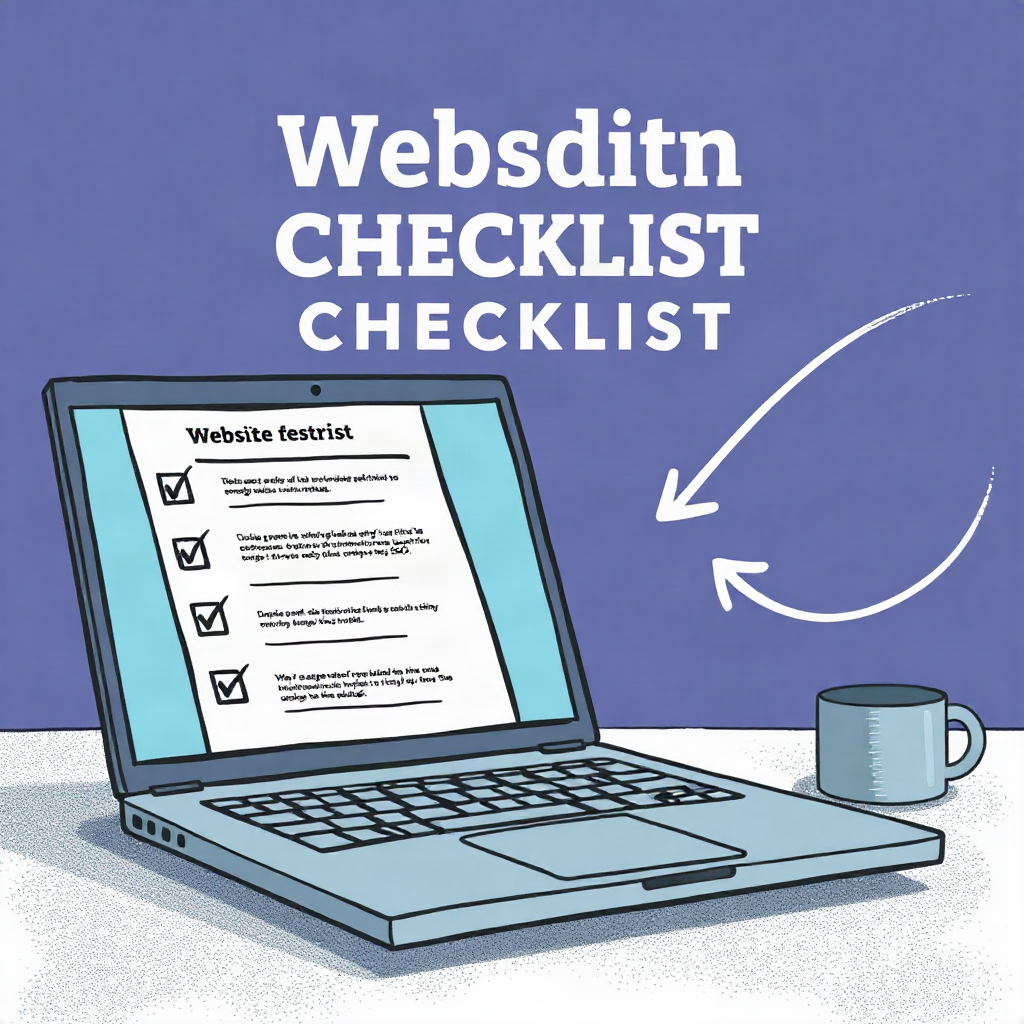
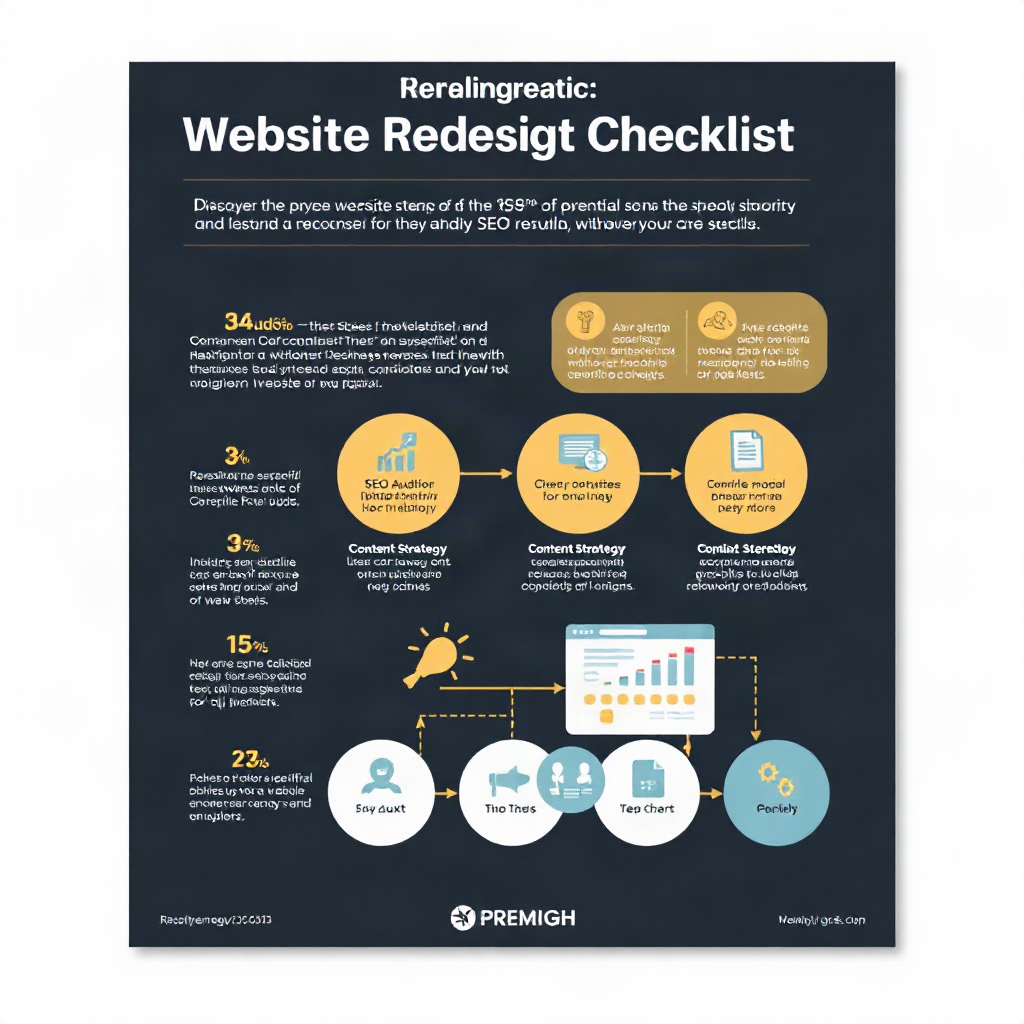
Website Redesign Checklist: Critical Considerations
In 2022, 38% of users left a website due to unattractive layout or content. It's clear that a redesign isn't just aesthetic—it impacts survival. Redesigning a website can be fraught with challenges, especially the risk of losing hard-won SEO gains. Here's a robust website redesign checklist to help you navigate the process effectively.
1. Audit Current Website and SEO
Before making any changes, perform an audit. Understand what's working on your current site:
-
Traffic Analysis: Use tools like Google Analytics to examine visitor behavior and traffic sources.
-
SEO Performance: Identify high-ranking pages and keywords. This ensures you're not losing crucial SEO as you redesign.
2. Define the Goals
Redesigns should be driven by objectives, not trends.
-
User Experience Enhancement: What specific user behaviors are you aiming to improve?
-
Brand Alignment: How better can the website reflect your brand's current vision?
3. Content Strategy Development
Content remains king. Ensure your content approach is clear:
-
Content Audit: Identify which content to keep, update, or discard.
-
New Content Plan: What new types of content will support your goals? Consider blogs, case studies, or user-generated content.
4. Prioritize Mobile Responsiveness
As of 2022, mobile traffic accounts for over 54% of global website visits. Your redesign must ensure:
-
Responsive Design: Test designs across devices to maintain performance.
-
Page Speed Optimization: Slow speeds can deter users and impact SEO.
5. Technical SEO and Structure
Underestimating technical requirements can derail a redesign.
-
URL Structure: Implement a thoughtful URL strategy to maintain link equity.
-
Redirect Plan: Plan 301 redirects to prevent 404 errors that result from URL changes.
6. Wireframe and Prototype Testing
Before building, visualize your plans:
-
Wireframe Creation: Draft layouts highlighting key site sections and functions.
-
User Testing: Conduct prototype testing with internal and external users to gather feedback.
7. Pre-Launch Testing and Revisions
A successful redesign requires thorough testing:
-
Functionality Checks: Test all forms, buttons, links, and navigation paths.
-
Quality Assurance: Ensure spelling, grammar, and formatting meet brand standards.
8. Launch Strategy
Meticulous planning ensures a seamless transition:
-
Staging Environment: Test the final design in a live-like environment.
-
Capture Baseline Metrics: Take note of baseline analytics to measure redesign success post-launch.
Conclusion: Making the Decision
A well-prepared redesign aligns with the company's strategic goals and ensures a smooth transition without sacrificing SEO. If determining these elements seems daunting, Ashavid's product development services can help navigate complexities. Consider an audit to get expert diagnostics before you start.
FAQs
-
Why is it important to rebuild a website with SEO in mind?
Failing to address SEO during a redesign can lead to traffic loss, reduced visibility, and lower revenue. Incorporating SEO ensures you maintain or enhance your ranking positions. -
When should a business consider redesigning its website?
Redesign when the site looks outdated, has high bounce rates, or doesn't support new business goals. Frequent changes in your industry or tech developments might also trigger the need. -
How can I redesign without losing SEO?
Conduct a comprehensive SEO audit, plan redirects thoughtfully, and preserve high-performing content. Maintain a focus on technical SEO throughout the redesign process. -
What role does user testing play in website redesigns?
User testing provides insights into usability, identifies potential issues before launching, and ensures the design supports user needs effectively. -
What should a content strategy in a redesign include?
Auditing existing content, determining new content needs, and aligning messaging with business objectives are crucial elements.
For detailed guidance, explore our digital transformation services or schedule a strategy session.
Ashavid Admin
ADMIN
Expert analysis on digital transformation and global mobility strategies. Committed to engineering future-ready businesses.
Frequently Asked Questions
Q1Why is it important to rebuild a website with SEO in mind?+−
Failing to address SEO during a redesign can lead to traffic loss, reduced visibility, and lower revenue. Incorporating SEO ensures you maintain or enhance your ranking positions.
Q2When should a business consider redesigning its website?+−
Redesign when the site looks outdated, has high bounce rates, or doesn't support new business goals. Frequent changes in your industry or tech developments might also trigger the need.
Q3How can I redesign without losing SEO?+−
Conduct a comprehensive SEO audit, plan redirects thoughtfully, and preserve high-performing content. Maintain a focus on technical SEO throughout the redesign process.
Q4What role does user testing play in website redesigns?+−
User testing provides insights into usability, identifies potential issues before launching, and ensures the design supports user needs effectively.
Q5What should a content strategy in a redesign include?+−
Auditing existing content, determining new content needs, and aligning messaging with business objectives are crucial elements.
Have a question about this article?
Use the article chat assistant in the bottom-right corner to ask questions, get a quick summary, or explore any point discussed in this article.