


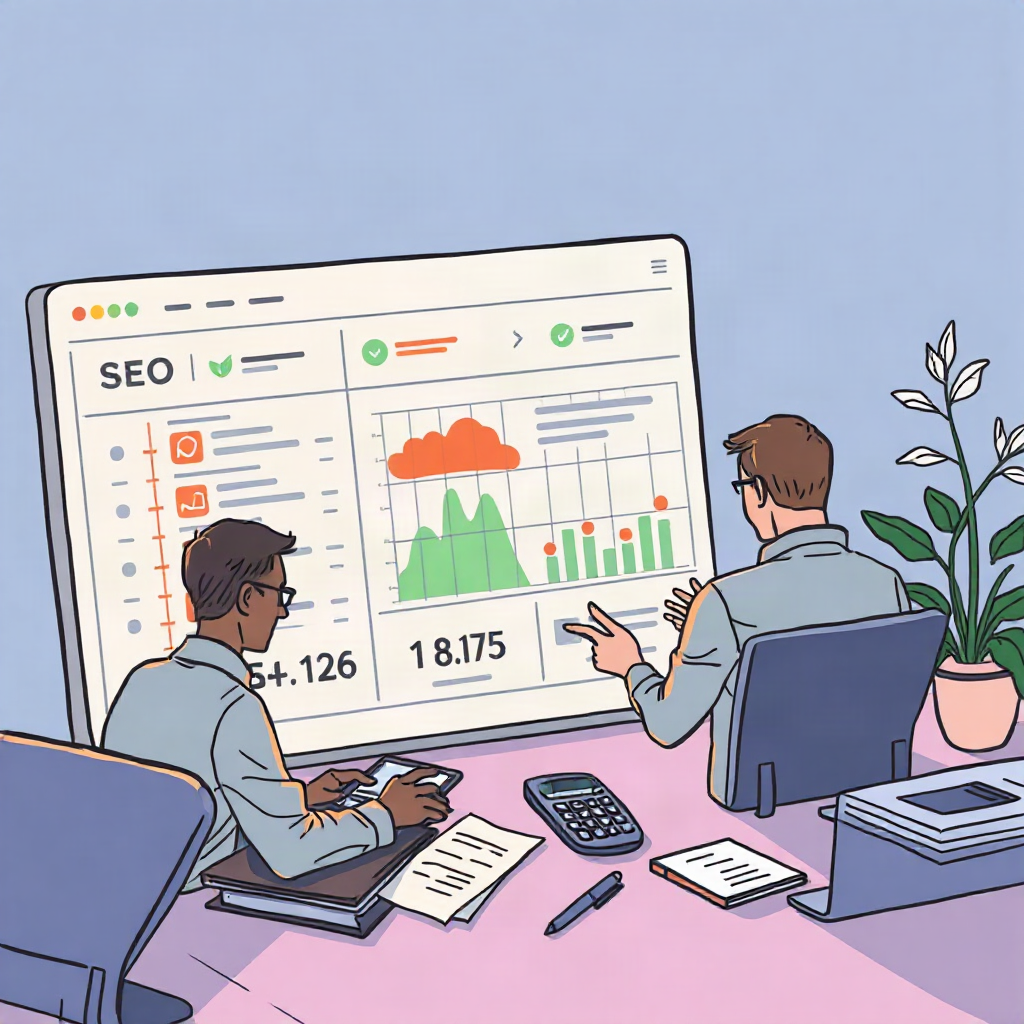
Executive Brief
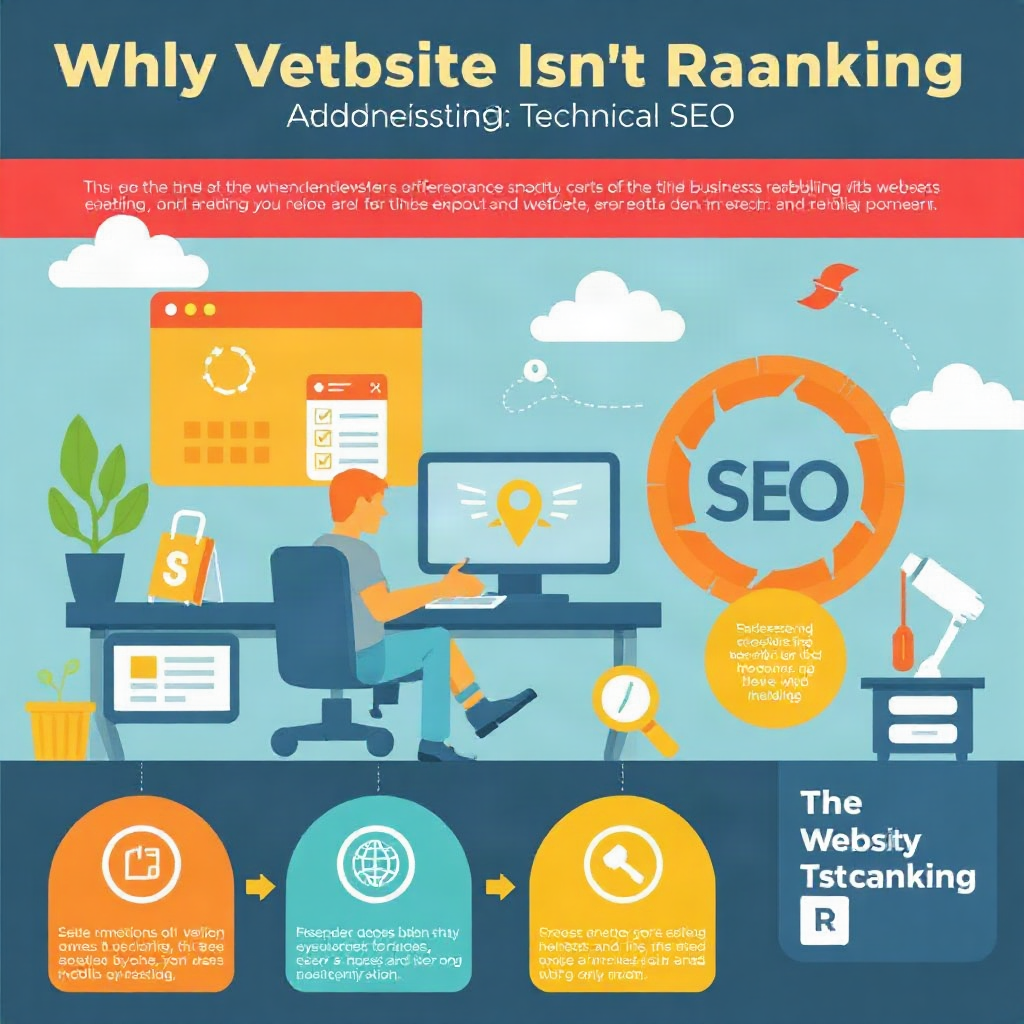
Why is My Website Not Ranking?
Understanding why your website isn't ranking requires specificity and an analytical approach. Many business owners face this issue due to complex technical SEO challenges, inadequate content, or ineffective keyword optimization. Let’s break down these obstacles and examine actionable solutions.
The Competitive Landscape and Real Constraints
Every minute, Google processes over 3.8 million searches, but not all websites make it to the first page. The competition is fierce, and without pinpointing exact weaknesses, improvements remain elusive. Technical SEO is critical here — issues like improper indexing, slow load times, or poor mobile responsiveness can severely impact your ranking.
Naming the Real Tension
Optimizing for search engines is not a single leap; it’s an ongoing balancing act. Ensuring your website is both user-friendly and search-optimized presents a continuous challenge. For example, improving load speed may require compromises on certain design elements or functionalities.
What It's Not: Addressing Misconceptions
Ranking isn’t about shortcuts or superficial tweaks. A site without high-quality, original content cannot rely on keyword stuffing. API-driven pages that fail to render server-side won’t see SEO success regardless of metatags.
Specific Causes of Ranking Failures
-
Technical SEO: Misconfigured sitemaps, robots.txt errors, or ignored canonical tags can prevent indexing.
-
Content Quality: Thin or duplicate content that lacks originality and user value won’t perform well.
-
Backlink Profile: An imbalanced link profile with low-authority domains can hurt trust signals.
The Mechanism: Addressing Technical SEO
If your website is not indexed, the underlying problem is often technical. Check Google Search Console for indexation issues. Ensure your site’s crawlability by verifying robots.txt settings and adjusting as needed. Prioritize high-quality backlinks from reputable sources to enhance domain authority.
To delve deeper, a website and digital audit can provide clarity on hidden obstacles hindering your site's performance.
Rating Your Content and User Experience
Content must be authoritative and relevant. If there’s a disconnect between user searches and available information, rankings will suffer. Clear, actionable, and structured content with targeted keywords fosters better engagement and visibility. Explore our digital presence growth services to gain insights into elevating content quality.
A Strategic Blueprint for Resolution
- Audit Your Website Structure: Look for broken links, and correct navigation paths.
- Enhance Content Strategy: Focus on creating engaging, data-driven posts that serve real user needs.
- Build Link Authority: Aim for a diverse range of backlinks from high-authority sites.
- Optimize for Mobile: Ensure responsiveness across devices; mobile-first indexing is crucial now.
- Regular Performance Checks: Conduct digital transformation readiness audits to keep pace with evolving algorithms.
Conclusion: Taking Decisive Action
The process of improving your website’s ranking is complex but manageable. Begin with a comprehensive audit to diagnose issues. Implement changes on technical, content, and strategic fronts. For founders looking to optimize efficiently, consider partnering with Ashavid to make informed decisions and drive results.
Book a strategy session with us to explore tailored solutions for your digital growth.
Internal Links:

Ashavid Admin
ADMIN
Expert analysis on digital transformation and global mobility strategies. Committed to engineering future-ready businesses.
Frequently Asked Questions
Q1What is causing my website not to be indexed?+−
Your website might not be indexed due to issues with your XML sitemap, robots.txt configuration, or inadequate server response times. Use Google Search Console to diagnose and address these problems.
Q2How can technical SEO affect my website ranking?+−
Technical SEO issues such as poor site architecture, slow loading speeds, and lack of mobile optimization can hinder search engines from properly crawling and indexing your site.
Q3Is content quality important for SEO?+−
Yes, high-quality content is crucial. It attracts backlinks, engages users, and signals relevance to search engines. Thin or duplicate content can negatively impact rankings.
Q4Why are backlinks important for SEO?+−
Backlinks from authoritative sites improve your domain’s credibility and trust, which can enhance search engine rankings. Avoid low-quality or irrelevant backlinks that may harm your site.
Q5How can I improve my website’s mobile performance?+−
Ensure your site is responsive on all devices, optimize images, and eliminate unnecessary scripts. Mobile-first indexing means search engines prioritize mobile-friendly sites.
Have a question about this article?
Use the article chat assistant in the bottom-right corner to ask questions, get a quick summary, or explore any point discussed in this article.