


Executive Brief
Why Website Performance Matters for Conversion
A one-second delay in website load time can result in a 7% reduction in conversions. This stat alone underscores the critical impact of performance on business success. When a site is slow, users leave—taking potential sales and revenue with them.
Real Tensions in Balancing Performance and Features

Adding features enhances user experience, but each addition can slow down your site. This balancing act—known in web development as the performance tradeoff—becomes especially critical for founders looking to optimize for conversions.
Core Web Vitals and Their Business Impact
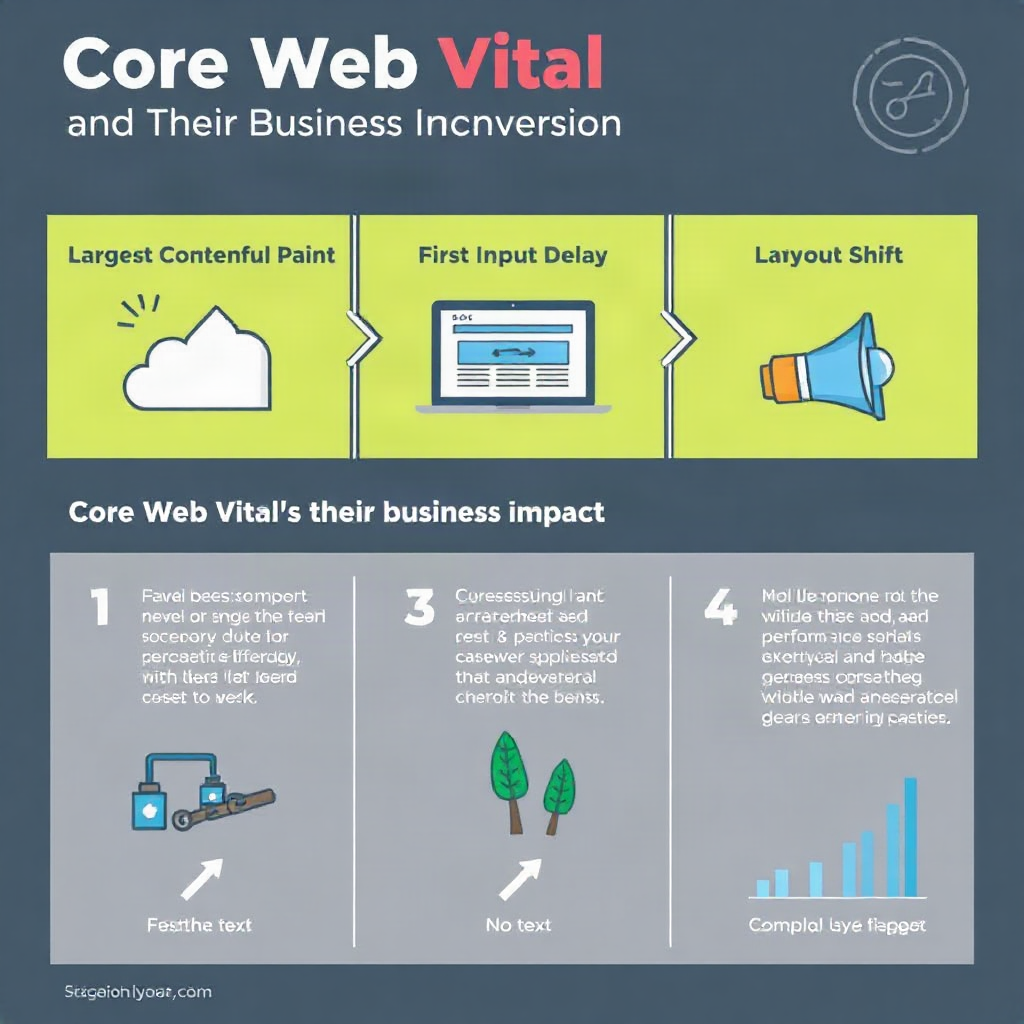
Google's Core Web Vitals measure real-world user experience metrics. These include:
-
Largest Contentful Paint (LCP): Measures loading performance. Aim for 2.5 seconds or faster.
-
First Input Delay (FID): Measures interactivity. 100 milliseconds or less is advisable.
-
Cumulative Layout Shift (CLS): Measures visual stability. Aim for a score of 0.1 or less.
Failing in any of these metrics can harm your search ranking, impacting visibility and conversion potential.
Page Speed and Revenue: A Direct Correlation
Every second shaved off your load time can increase conversions by as much as 27%. For example, Walmart found that improving load time by one second increased conversions by 2%.
Page Speed Optimization Strategies
-
Image Optimization: Compress images without sacrificing quality to reduce load times.
-
Lazy Loading: Load images and content only when they are visible on the user's screen.
-
Minify Code: Reduce file size and load times by removing unnecessary characters from CSS, JavaScript, and HTML.
-
Use a Content Delivery Network (CDN): Distribute content closer to users geographically, reducing server load.
For customized, technical audits, consider a digital transformation readiness audit to measure and improve your site's performance.
Mechanisms Behind Performance Gains
Understanding mechanisms—not just isolated tweaks—provides sustainable performance improvement:
-
Server Response Optimization: Faster server responses (target times under 200ms) directly enhance user experience.
-
Efficient Code Management: Streamlining code decreases load times and simplifies maintenance.
Decisive Steps for Founders and Business Owners
To effectively translate performance enhancements into conversion gains, business owners need strategic planning and execution.
- Conduct a website and digital audit for detailed insights into current performance dynamics.
- Evaluate the tradeoffs between desired features and site speed—understanding that simpler is often more efficient.
- Consult with a product development expert to implement necessary changes efficiently.
Website performance impacts your conversion rates and revenue potential significantly. If you're seeking to optimize your digital strategy, now is the time to act.
For further strategic planning, book a strategy session with Ashavid today.
Ashavid Admin
ADMIN
Expert analysis on digital transformation and global mobility strategies. Committed to engineering future-ready businesses.
Frequently Asked Questions
Q1How does website performance impact user experience?+−
Performance affects load times and interactivity. Faster websites usually result in better user experiences, reducing bounce rates and improving engagement.
Q2What are Core Web Vitals?+−
Core Web Vitals are user-centered performance metrics from Google that measure page load time, interactivity, and visual stability.
Q3How can I improve website speed?+−
Optimize images, use lazy loading, minify code, and employ a CDN to reduce load times and enhance performance.
Q4Why should I care about page speed?+−
Page speed directly affects conversion rates, user retention, and search rankings. Faster pages typically lead to increased conversions.
Q5What is a digital transformation readiness audit?+−
It's an evaluation of your current digital setup to identify areas for performance improvement and strategic enhancements.
Have a question about this article?
Use the article chat assistant in the bottom-right corner to ask questions, get a quick summary, or explore any point discussed in this article.