



Executive Brief
The Reality of AI Technical Debt
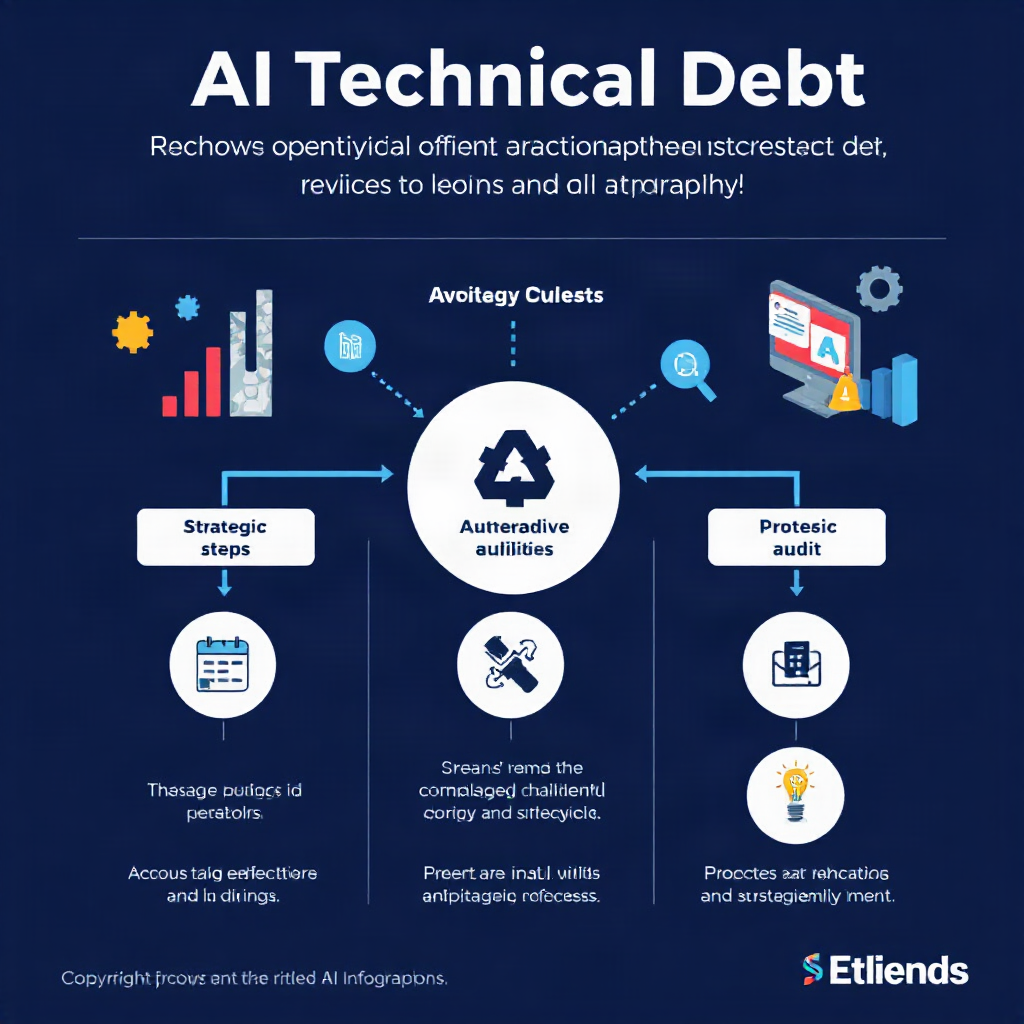
AI technical debt refers to the hidden costs and operational challenges incurred when integrating AI solutions without foresight. As businesses rush to deploy AI systems, they often overlook the long-term upkeep and complexity inherent in these technologies.
Take, for instance, a company without a clear data strategy. Introducing AI without addressing this can mean significant technical debt, where the initial benefit is overshadowed by subsequent costs and system fragility.
-
Quick Launch vs. Sustainability: A rapid AI deployment might offer short-term gains, but maintaining its performance often reveals underlying systemic issues.
-
Cost Accumulation: AI systems poorly maintained can lead to spiraling costs not anticipated during implementation.
The Maintenance Cost Puzzle
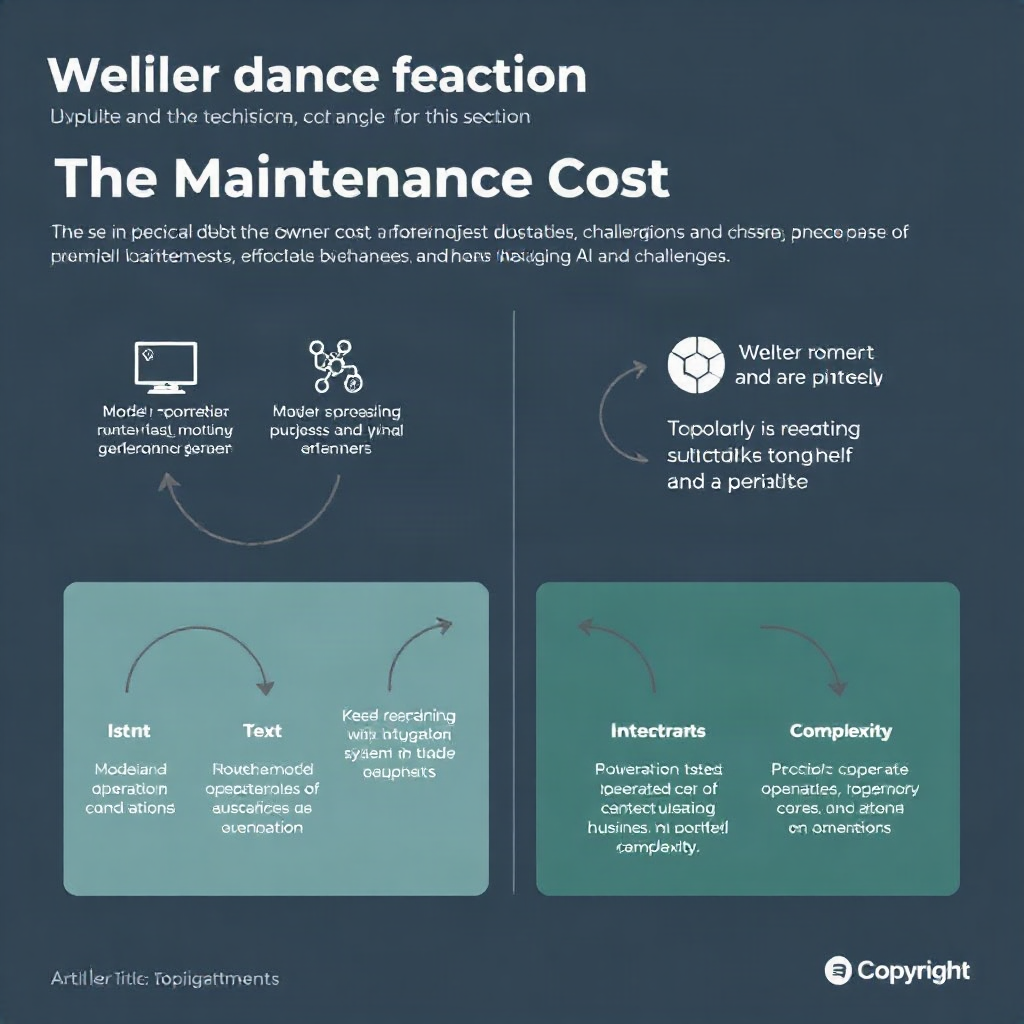
AI maintenance cost isn't solely about financial expenditure; it involves continuous updates, retraining models, and integrating new data sources. As models age, they require more attention to remain effective.
-
Model Retraining: Keeping your AI systems accurate involves frequent retraining using up-to-date datasets, preventing model drift.
-
Integration Complexity: Adding new functionalities can introduce additional complexity, requiring a thorough understanding of existing system architecture.
LLM Cost Control in Action
Large Language Models (LLMs) like GPT need meticulous resource management to remain cost-effective. These models demand considerable computational power and energy.
-
Scalable Infrastructure: Leveraging cloud platforms optimizes costs by scaling resources with demand.
-
Regular Audit and Optimization: Implementing periodic audits helps in identifying inefficiencies and restructuring for cost-effectiveness.
For more on optimizing AI and operations, see our full service menu.
The Hidden Challenges of AI Implementation
Beyond surface-level promises, AI solutions pose challenges that require strategic handling to avoid accumulating debt.
-
Complexity Overload: Simple fixes can turn into complex issues without a comprehensive understanding of AI's impact on existing systems.
-
Human Oversight: Proper oversight involves not only technical teams but aligning AI with overall business strategy.
Avoiding AI Pitfalls: Strategic Readiness
Given these complexities, conducting a digital transformation readiness audit can uncover your organization's preparedness level and pinpoint areas for improvement.
-
Identify Gaps: Pinpointing gaps early avoids costly remediation down the line.
-
Strategic Alignment: Ensures that AI implementations align with business objectives and capabilities.
Explore our strategy readiness service to guide your AI deployment strategically.
Decision Time
Understanding AI technical debt is crucial in today's business environment. If your AI investments face increasing costs and complexity, the next logical step is a readiness audit. Contact Ashavid to evaluate your AI setup's sustainability and strategic fit.
Ashavid Admin
ADMIN
Expert analysis on digital transformation and global mobility strategies. Committed to engineering future-ready businesses.
Frequently Asked Questions
Q1What is AI technical debt?+−
AI technical debt includes the hidden costs and challenges related to maintaining AI systems, often arising from hasty implementations without long-term planning.
Q2How can businesses manage AI maintenance costs?+−
Effective management involves regular model retraining, strategic use of scalable infrastructure, and routine audits to identify inefficiencies and potential savings.
Q3What are the main challenges of AI implementation?+−
Challenges include complexity management, ensuring human oversight, and aligning AI systems with the broader business strategy.
Q4How can a readiness audit help with AI technical debt?+−
A readiness audit identifies system weaknesses, assesses strategic fit, and prepares businesses for sustainable AI integration.
Q5What is LLM cost control?+−
LLM cost control involves managing resource consumption through scalable infrastructure and regular audits to ensure efficient operations.
Have a question about this article?
Use the article chat assistant in the bottom-right corner to ask questions, get a quick summary, or explore any point discussed in this article.