


Executive Brief
The Reality of RPA vs AI Automation
In 2023, the US saw more than 58% of SMEs investing in some form of automation, yet the debate between RPA and AI automation remains nuanced and significant.
Key Differences
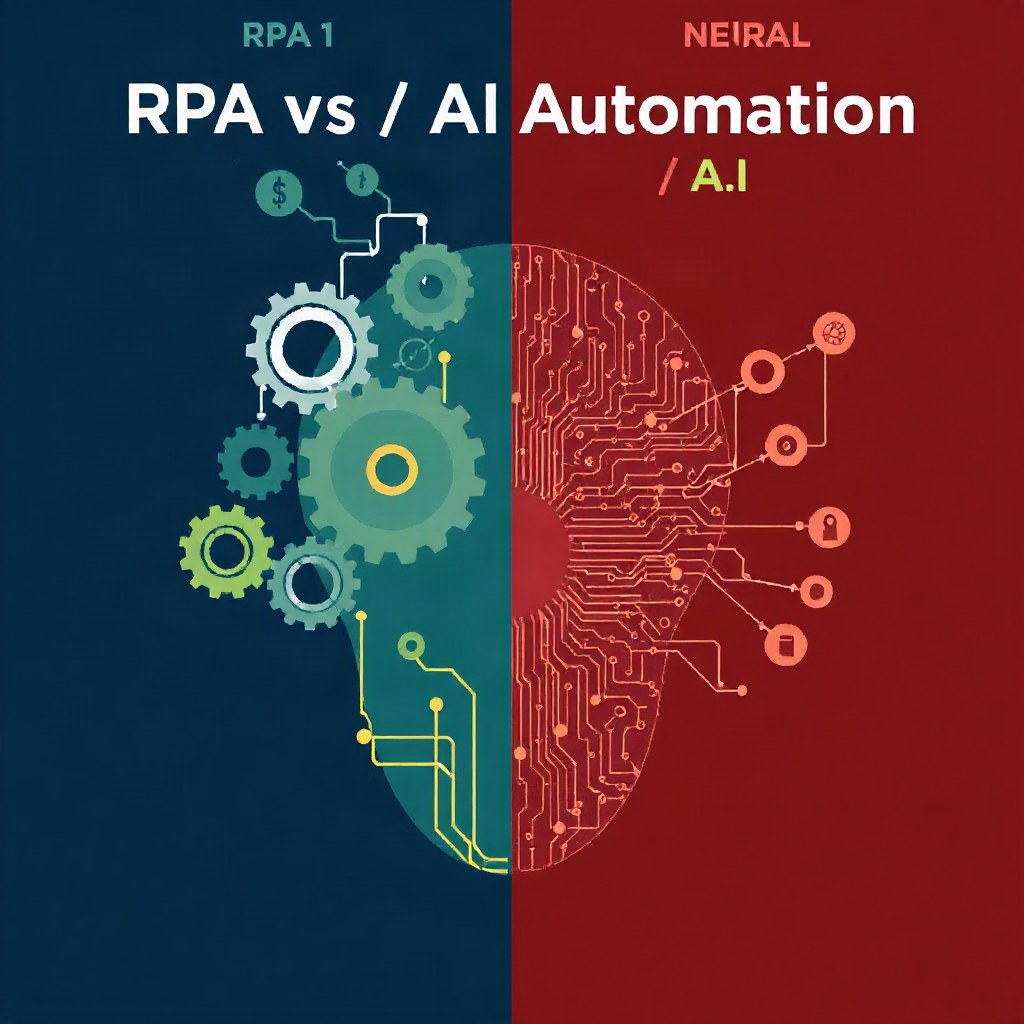
RPA, or Robotic Process Automation, uses scripts to handle repetitive tasks with precision. It's the go-to for processes like invoice processing and data entry. In contrast, AI automation imbues systems with learning and adaptability, making it suitable for speech recognition or customer service tasks that require nuanced understanding.
RPA is not AI. It lacks decision-making and understanding but thrives where rules are clear and structured. AI grows when data complexity increases, demanding learning systems. To understand which suits your business, you need to see the underlying mechanism.
True Costs of Implementation
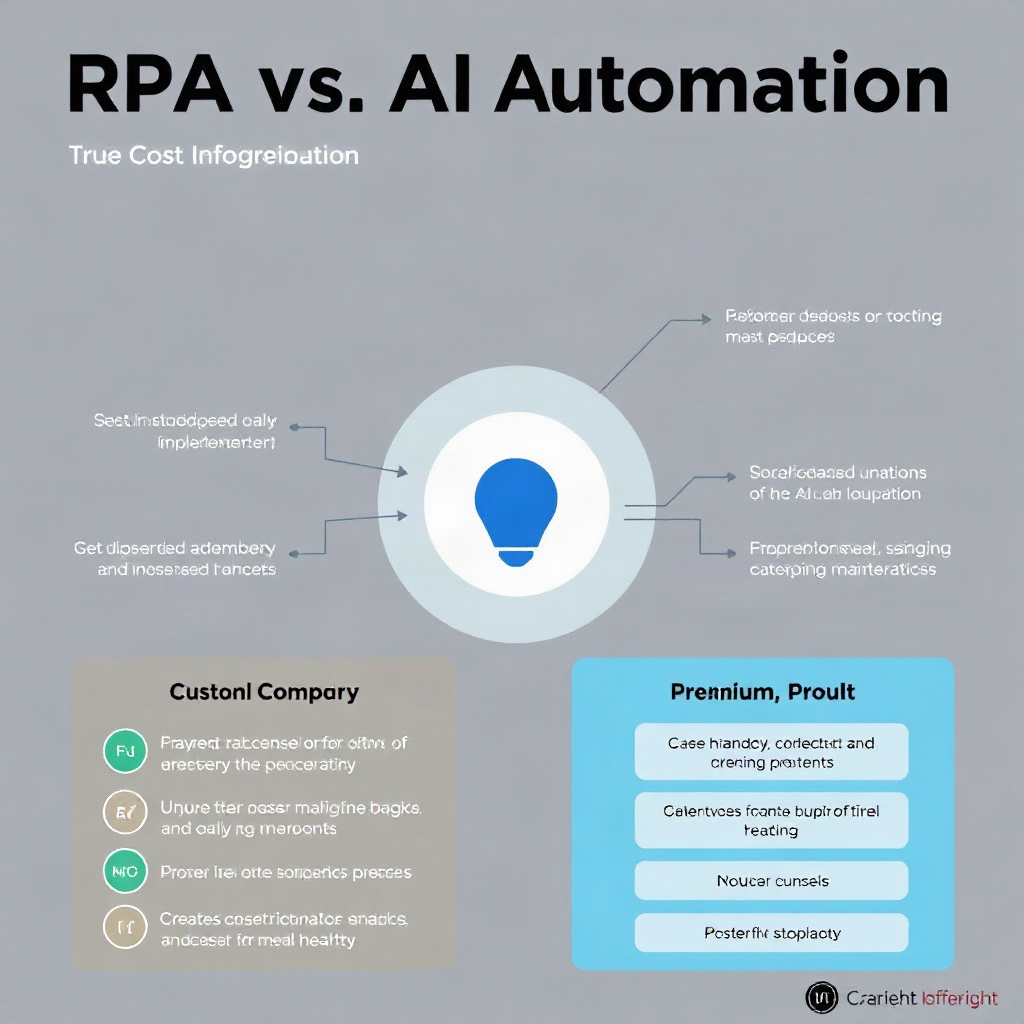
Initial setup costs for RPA can range from $5,000 to $15,000 per process, primarily covering tool licensing and consulting fees. AI introduces higher costs—development can spike past $30,000 due to its need for training data and integration complexity.
Breakdown of costs includes:
-
RPA: Software tools, setup fees, ongoing management
-
AI: Algorithm training, data processing infrastructures
Implementing these systems isn't a one-time financial decision—ongoing maintenance and scalability planning are crucial. Discover our operations performance services for optimal integration.
What Changes, and What Can Break?
-
Security Risks: Both RPA and AI can expose vulnerabilities if not properly secured.
-
Operational Shifts: RPA often needs personnel for edge-case handling, while AI demands continual learning data—this impacts team structure.
-
Scalability Challenges: Adding new processes or adapting to changes in regulations can disrupt the operation.
Choosing RPA or AI doesn't end with setup. It involves an ongoing journey of adjustments and strategy shifts, demanding a readiness audit to assess compatibility and alignment. Visit our digital transformation readiness audit page to evaluate your current state.
Decision Framework
For rule-based, structured environments, RPA holds the advantage. Yet, if you're operating within a fluctuating landscape, where decisions are complex and evolve, AI can offer more innovation.
Consider these factors:
-
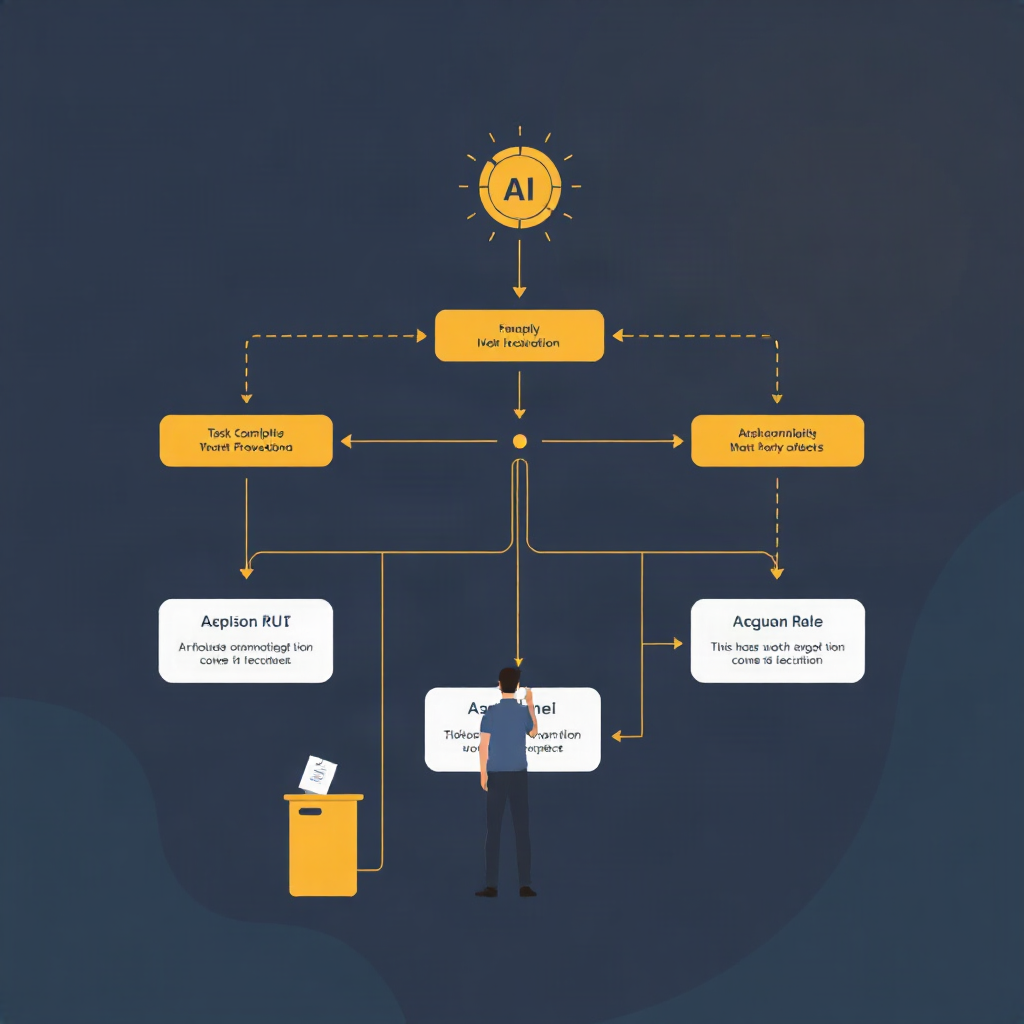
Task Complexity: Simple, repetitive vs. complex, decision-driven
-
Data Availability: Predefined datasets vs. evolving data streams
-
Integration with Existing Systems: Compatibility and adaptability needs
Consult our team to decide which path promises optimal impact. For those already involved in digital transformation, learn more about our full service menu to explore comprehensive solutions.
Conclusion
Evaluating whether RPA or AI automation best suits your needs depends on a clear understanding of your present operations and future goals. Implementing the right system can redefine your business execution strategies. Prepare by leveraging our expertise through a strategy session.
RPA and AI aren't just technology choices; they're transformations in how business capability is executed. Begin your journey toward efficient operation today.
Ashavid Admin
ADMIN
Expert analysis on digital transformation and global mobility strategies. Committed to engineering future-ready businesses.
Frequently Asked Questions
Q1What is the main difference between RPA and AI automation?+−
RPA automates tasks using structured scripts, excelling in rule-based processes. AI uses learning and decision-making, handling complex tasks requiring understanding.
Q2How much does RPA implementation typically cost?+−
RPA setup costs can range from $5,000 to $15,000 per process, covering software and consulting fees. Additional management costs apply.
Q3Can RPA and AI be used together?+−
Yes, combining RPA with AI can enhance capability. RPA can handle straightforward tasks, while AI takes on complex decision-making processes.
Q4What are common challenges with AI automation?+−
Challenges include higher setup costs, need for extensive data, security risks, and ongoing training to maintain system adaptability.
Q5How do I decide which automation to use for my business?+−
Evaluate task complexity, data availability, and integration needs. RPA suits structured processes, while AI is ideal for dynamic, data-intensive tasks.
Have a question about this article?
Use the article chat assistant in the bottom-right corner to ask questions, get a quick summary, or explore any point discussed in this article.