

Executive Brief
New AI Model Release: What Changes for Business?
Every month, at least five AI models are released or significantly updated worldwide. Each new release doesn't just mean enhanced capabilities; it signifies a shift in how businesses operate and make decisions. This isn't about the technology getting better—it's about truly transformative business impact.
The Real Impact of New AI Model Releases
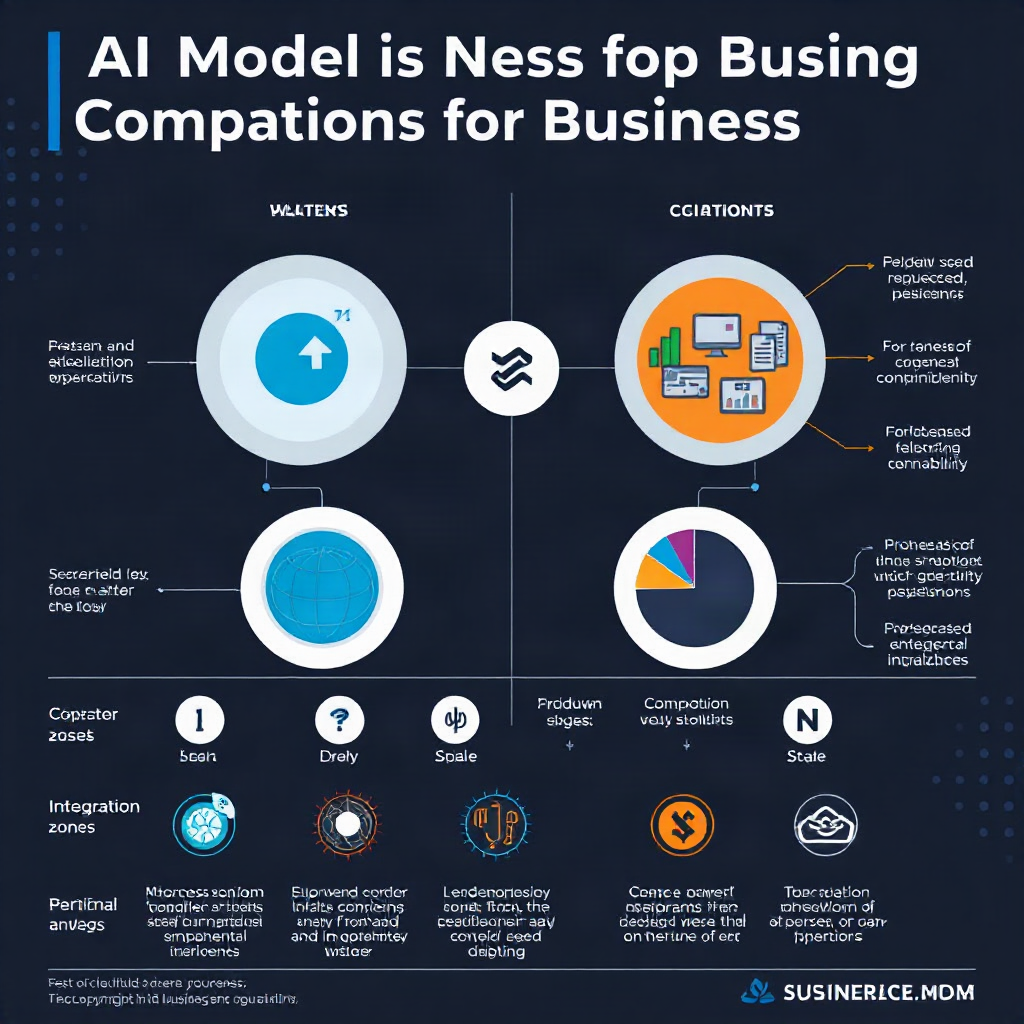
A new AI model release changes business by enhancing predictive accuracy, automating complex tasks, and offering deeper analytics. These improvements lead to more informed decision-making and streamlined operations, giving businesses a competitive edge.
Enhanced Predictive Accuracy
Recent AI models, such as the GPT-4 series released in 2023, can process vast data sets to enhance predictive capabilities. Operations performance improve as businesses forecast user behavior more accurately. For a small business predicting sales trends, this means smarter inventory management and marketing strategies.
Automation of Complex Tasks
With every new AI model, businesses can automate progressively complex tasks. This goes beyond rote tasks; sophisticated processes like financial analysis or customer service dialogue handlings are now within AI’s reach. The digital transformation leans on these advancements, allowing businesses to reallocate human resources to strategic initiatives rather than routine maintenance.
Deeper Data Analytics
AI models such as OpenAI's latest offerings help transform raw data into actionable insights faster than ever. This is crucial when considering competitive strategy. A company using AI automation can pivot in real-time based on fresh analytics instead of outdated reports.
AI Model Comparison for Business
Not all AI models are created equal; understanding their differences is key to deciding whether to switch. It's not about jumping on the latest release—it's about fitting the right model to your specific needs.
-
Scale and Scope: Does the AI model support the volume of data you handle?
-
Sector Compatibility: Some models excel in specific sectors, such as finance or healthcare.
-
Integration Ease: Consider the level of integration work required.
Should You Switch AI Models?
Switching should not be a reactionary decision. Evaluate whether the new AI model aligns with your strategic goals and operational capacity. Consider a digital audit to review your current system's readiness for integration.
Risks of Switching
-
Learning Curve: New systems can require substantial training, disrupting operations.
-
Compatibility Issues: Legacy systems may not integrate seamlessly, causing unexpected costs.
Ultimately, switching should provide enough improvement to justify these risks. For personalized guidance, consider booking a strategy session to evaluate your business’s unique needs.
Decision Time
If your business relies heavily on data-driven decision-making, embracing the latest AI model could be your path to sustaining competitive advantage. For those ready to explore this transformation, Ashavid's digital transformation services are designed to assist you seamlessly.
For more insights and tailored advice, consider exploring our programs and services or scheduling a consultation with our experts. Take the decisive step to enhance your business efficiency and strategic capacity with informed AI model integration.
Ashavid Admin
ADMIN
Expert analysis on digital transformation and global mobility strategies. Committed to engineering future-ready businesses.
Frequently Asked Questions
Q1What changes in business with a new AI model release?+−
New AI models enhance predictive accuracy, automate complex tasks, and provide deeper analytics, improving decision-making and operational efficiency.
Q2How do AI models improve predictive accuracy for businesses?+−
AI models process large data sets to forecast trends, allowing businesses to make smarter decisions about inventory, marketing, and customer engagement.
Q3Should my business switch to a new AI model?+−
Evaluate if the new model aligns with your strategic goals and operational capacity, balancing benefits against switch-over risks like training needs.
Q4What are the risks of switching AI models?+−
Risks include a learning curve, operational disruptions during training, and potential compatibility issues with existing systems.
Q5How do AI models benefit data analytics?+−
AI models transform raw data into actionable insights, allowing for real-time decision-making and strategic adjustments in competitive landscapes.
Have a question about this article?
Use the article chat assistant in the bottom-right corner to ask questions, get a quick summary, or explore any point discussed in this article.