



Executive Brief
Navigating Complexity: A Strategic Guide for Non-Technical Founders
In today’s fast-paced business world, complexity is an unavoidable companion, especially for non-technical founders striving to steer their companies through turbulent markets and technological change. Understanding how complexity affects strategic thinking is crucial because it can silently alter decision-making processes, often without notice. This article aims to provide practical insights and strategies for maintaining clarity and making better business decisions in complex environments.
Understanding Complexity
Complexity in business isn't merely about challenging markets or evolving technologies. At a deeper level, it influences the cognitive processes through which leaders interpret and respond to these external challenges. Recognizing this internal shift is pivotal to managing complexity effectively.
Invisible Internal Changes
Consider this: when the external environment is complex, your thinking changes. It can become reactive, assumptions may solidify into perceived facts, and strategic horizons can shorten. When under pressure, decisions may seem correct in the moment but can later show themselves as misguided.
The Impact on Thinking
When faced with high complexity, leaders may find themselves:
-
Reacting More Often: Decisions become more short-term.
-
Relying on Assumptions: Unexamined assumptions may drive key decisions.
-
Losing Long-term Perspective: Immediate concerns overshadow strategic planning.
Distinguishing Urgent from Important
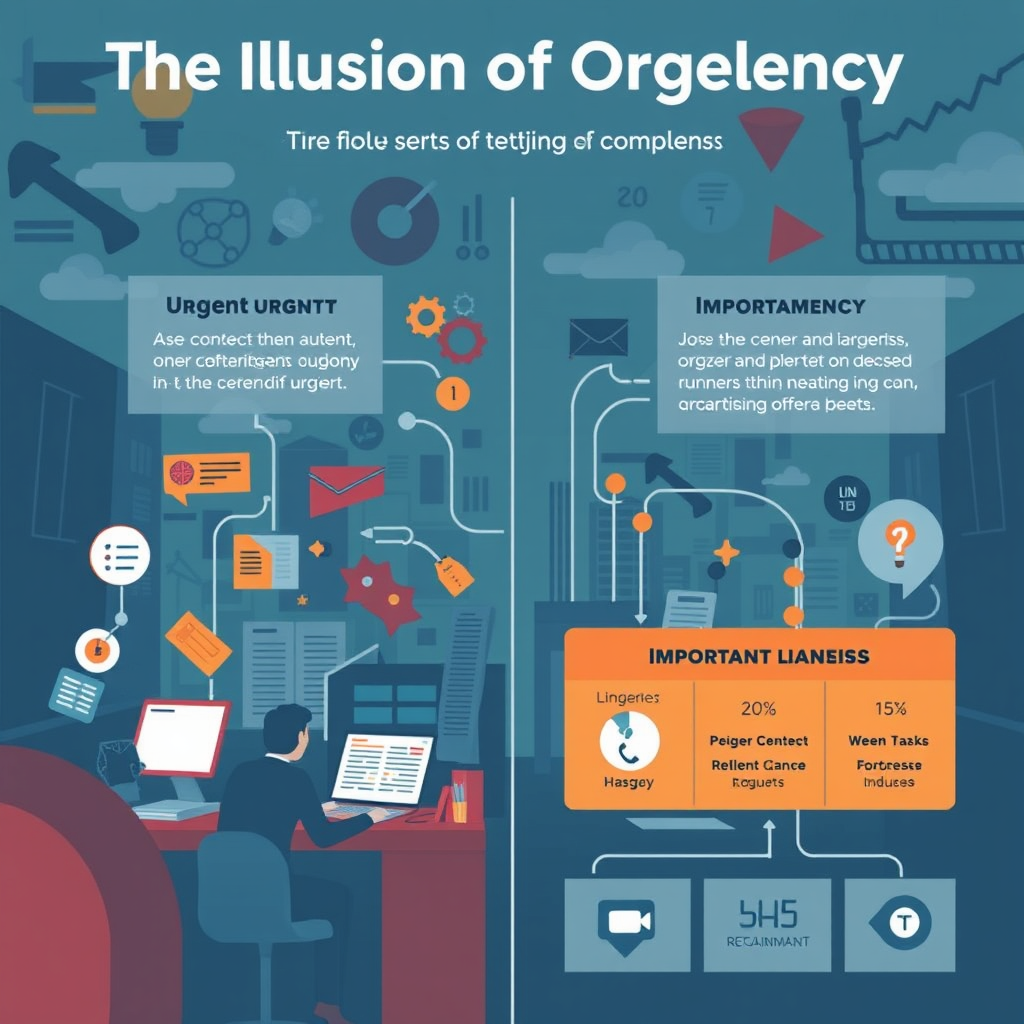
In simple scenarios, distinguishing urgent tasks from important ones is manageable. However, complexity creates an illusion of urgency across multiple areas simultaneously.
The Illusion of Urgency
Increased complexity can make non-urgent tasks appear pressing, leading to:
-
Overwhelmed Teams: Everyone is busy but not necessarily productive.
-
Missed Strategic Opportunities: Long-term change initiatives take a backseat.
To combat this, leaders need enhanced discipline to prioritize effectively, resisting the urge to default to immediate demands.
Guarding Against Hidden Assumptions

Complex environments often mean incomplete information, pushing leaders to fill gaps with assumptions. This is a natural cognitive response but risky if assumptions solidify into perceived truths.
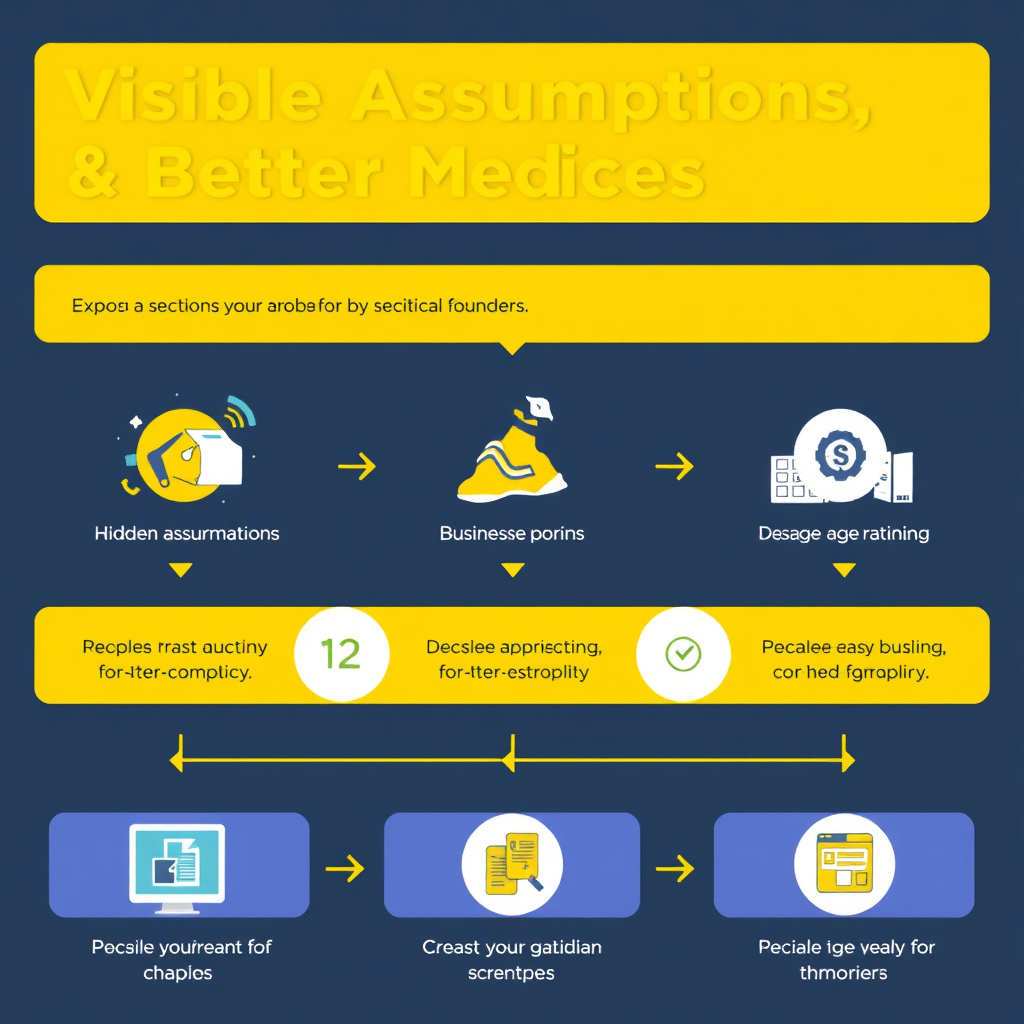
Visible Assumptions, Better Decisions
Practices like visual thinking can expose these embedded assumptions, making them inspectable and revisable. Ensure decisions are based on evidence rather than unexamined beliefs.
Managing Cognitive Load
Every unresolved issue adds to the mental workload, potentially degrading decision quality without immediate awareness.
Reducing Mental Overload
To maintain high-quality decision-making:
-
Externalize Thinking: Write down or map out the situation.
-
Focus on Core Tasks: Reduce unresolved priorities and simplify decision contexts.
Maintaining Long-term Perspective
Complexity draws focus to the immediate. Organizations often forego long-term strategic discussions for short-term problem-solving, only realizing the consequences later.
Preventing Horizon Shortening
-
Build Strategic Conversations into Routine: Regularly step back to gauge broader objectives.
-
Embrace Deliberate Practice: Recognize that strategic thinking isn’t a luxury but a necessity.
Final Reflections
Non-technical founders must acknowledge that complexity affects not only the conditions they face but also their cognitive capabilities. Recognizing and addressing these internal changes is key to effective management. By drawing clear lines between urgency and importance, exposing hidden assumptions, managing cognitive load, and maintaining a focus on the long-term, leaders can navigate through complexity with vigor and clarity.
In conclusion, the question shifts from "how do I manage this complexity?" to "what is complexity doing to my perception of the problem?" This shift in questioning leads to more grounded and effective solutions.
By incorporating these insights into your leadership routine, you can better equip your company to tackle the multifaceted challenges of today’s business landscape.
Super Admin
SUPER_ADMIN
Expert analysis on digital transformation and global mobility strategies. Committed to engineering future-ready businesses.
Have a question about this article?
Use the article chat assistant in the bottom-right corner to ask questions, get a quick summary, or explore any point discussed in this article.