



Executive Brief
Mastering Information: The Art of Structured Thinking for Startup Founders
Introduction: Navigating Information Overload

In today's digital age, startup founders are bombarded with more information than ever before. Yet, this abundance often leads to confusion, making it challenging to transform data into clear, actionable insights. The core issue isn’t the lack of information, but rather the absence of structure. As artificial intelligence (AI) continues to generate content rapidly, the real value lies in how we organize this influx of information.
Structure is more than just a productivity tool—it's the foundation that turns raw data into usable knowledge, leading to effective decisions and strategic actions.
Information vs. Knowledge: Building the Bridge
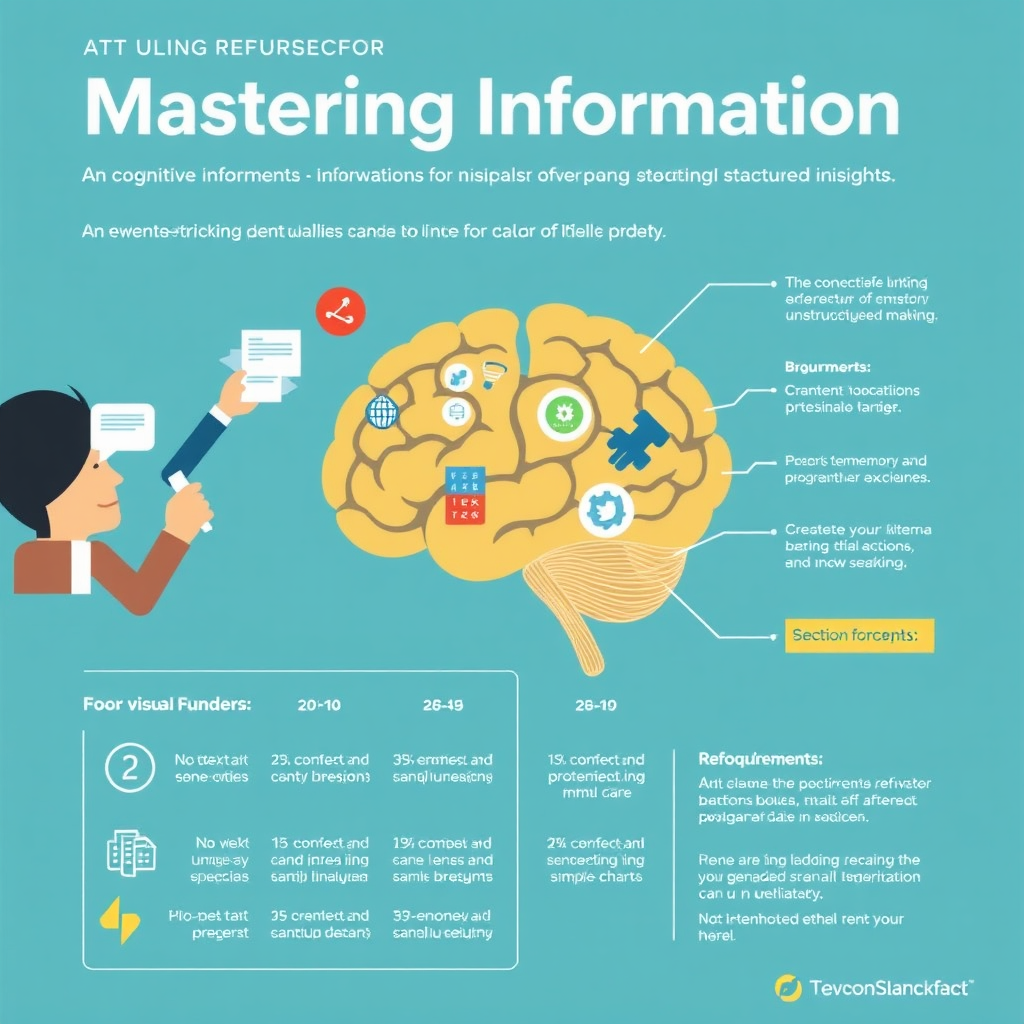
To combat information overload, it's crucial to differentiate between information and knowledge. Imagine you have a pile of bricks (information); without a blueprint, those bricks remain useless. Knowledge emerges when these bricks are arranged into an arch—creating strength and utility through structured relationships.
Most digital content today only reaches the level of information—facts and figures. Structure acts as the bridge, transforming these into a coherent understanding.
From Data to Knowledge
-
Data: Raw facts with no context.
-
Information: Data organized to answer "who," "what," "where," and "when."
-
Knowledge: Information woven into a narrative answering "how" and "why."
Understanding how ideas are interconnected is the key to genuine comprehension and decision-making.
The Cognitive Cost of Unstructured Information
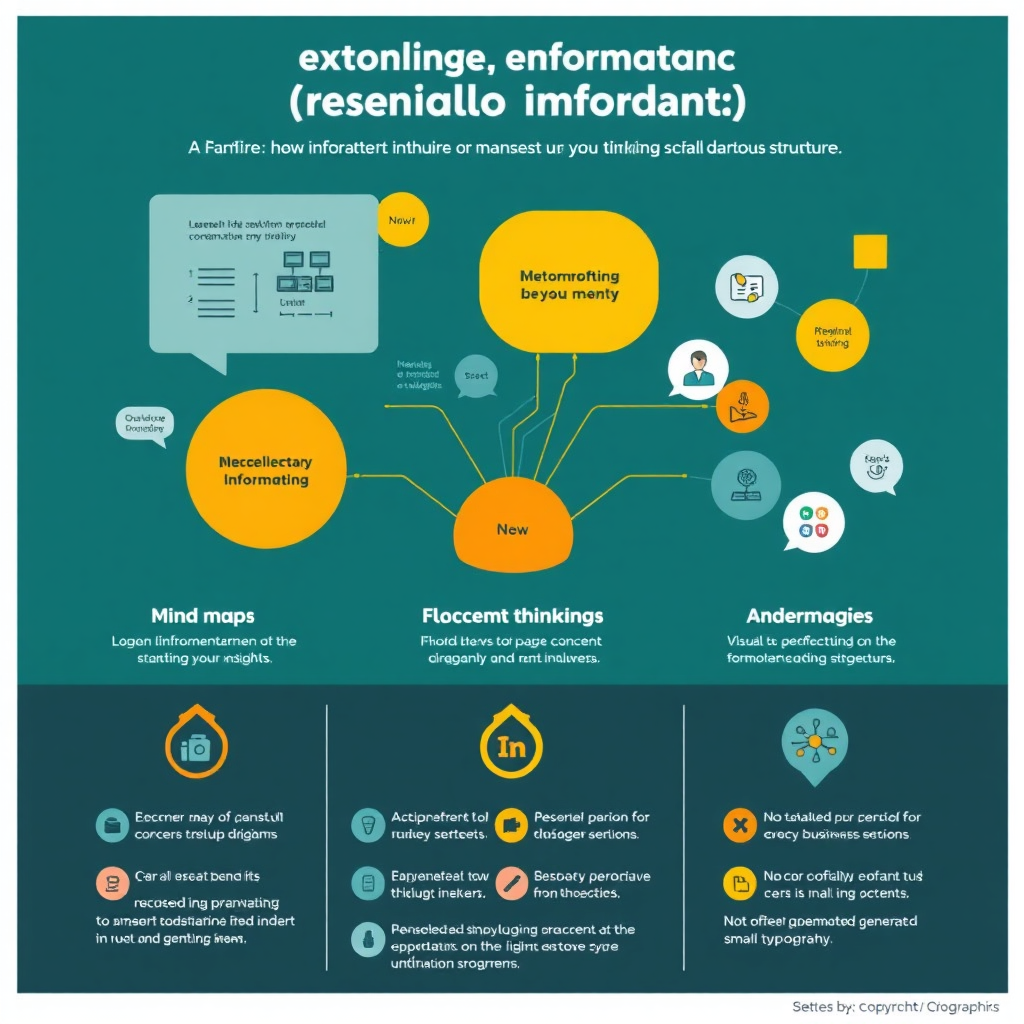
Unstructured data is mentally taxing. When confronted with information—whether a lengthy article or a detailed video—our brains are forced to organize in real-time. This consumes cognitive resources and leads to decision fatigue and decreased focus.
Solutions for Cognitive Offloading:
- Externalizing Structure: Use diagrams, maps, or outlines to make relationships explicit outside your mind.
- Visual Thinking: Employ visuals to enhance comprehension and retention, reducing mental load.
Why AI Summaries Miss the Mark
AI summaries are excellent for speed but often fall short by maintaining a linear format. They provide a compressed view of information but fail to create understanding by hiding relationships and dependencies.
The Linearity Trap
-
Missing Relationships: Linear summaries lack explicit connections between ideas.
-
Compression Over Comprehension: Lists of facts without a structure do not lead to knowledge.
To move from information to knowledge, one needs to see the broader map, not just isolated points.
Harnessing the Power of Visual Structure
Visual tools like mind maps and concept diagrams excel in transforming implicit relations into explicit visual frameworks. They leverage spatial reasoning to improve comprehension and retention.
Benefits of Visual Tools
-
Enhancing Memory: Graphics outperform text in long-term retention.
-
Revealing Complexity: Make hierarchies, clusters, and connections obvious.
-
Building Mental Models: Create cognitive frameworks quickly and effectively.
Effective Tools for Structured Thinking
For startup founders, employing the right tools can significantly bridge the gap between chaos and clarity.
Tool Attributes:
-
Point of Capture: Integrate seamless structuring within browsers or document readers.
-
AI-Assisted Organizing: Use AI to propose initial structures, reducing the cognitive load.
-
Refinement Flexibility: Allow easy editing and rearrangement for deeper insights.
ClipMind: A Practical Example
ClipMind is an innovative tool designed to transform unstructured inputs into visual mind maps, bridging linear content and structured frameworks.
-
Automatic Structuring: Generate logical maps quickly from dense content.
-
Active Engagement: Easily refine initial maps into structured, actionable plans.
Real-World Applications for Founders
Use Case 1: Research Paper Synthesis
-
Scenario: Synthesizing an academic paper.
-
Solution: Use ClipMind to create a visual breakdown—thesis, claims, evidence, methodology.
-
Outcome: Facilitates comparisons across papers and identifies research gaps.
Use Case 2: Actionable AI Chat Logs
-
Scenario: Transforming AI-driven conversations into project plans.
-
Solution: ClipMind turns chat logs into structured themes and tasks.
-
Outcome: Creates clear plans, transforming ideas into executable deliverables.
Structured Thinking: A Meta-Skill for Founders
In an era where AI excels at generating content, your advantage lies in structuring this content. Critical thinking and problem-solving hinge on this ability.
Principles for Structured Thinking
- Start with a Goal: Define the outcome you need before diving into content.
- Externalize Early: Capture key points in real-time.
- Force Relationships: Always determine how new information connects to existing plans.
- Iterate Structures: Constantly refine your visual or outline maps.
- Switch Formats: Use non-linear brainstorming maps and then transition to linear drafts for execution.
Conclusion: Embrace Structure for Growth
In a world flooded with information, self-imposed structure is essential for clarity, creativity, and effective action. Structure transforms overload into usable knowledge and drives impactful outcomes. As AI becomes an ever-present partner, structured thinking ensures you're guided by clarity rather than overwhelmed by data.
Begin by applying structured frameworks to your next complex project and experience the transformation firsthand.
Super Admin
SUPER_ADMIN
Expert analysis on digital transformation and global mobility strategies. Committed to engineering future-ready businesses.
Have a question about this article?
Use the article chat assistant in the bottom-right corner to ask questions, get a quick summary, or explore any point discussed in this article.