
Executive Brief
Navigating AI: A Readiness Assessment for Small and Mid-Sized Businesses
Over 80% of small and mid-sized enterprises report planning to integrate AI technology within the next five years. Yet, the actual readiness to adopt AI effectively remains a critical challenge.
Understanding AI Readiness
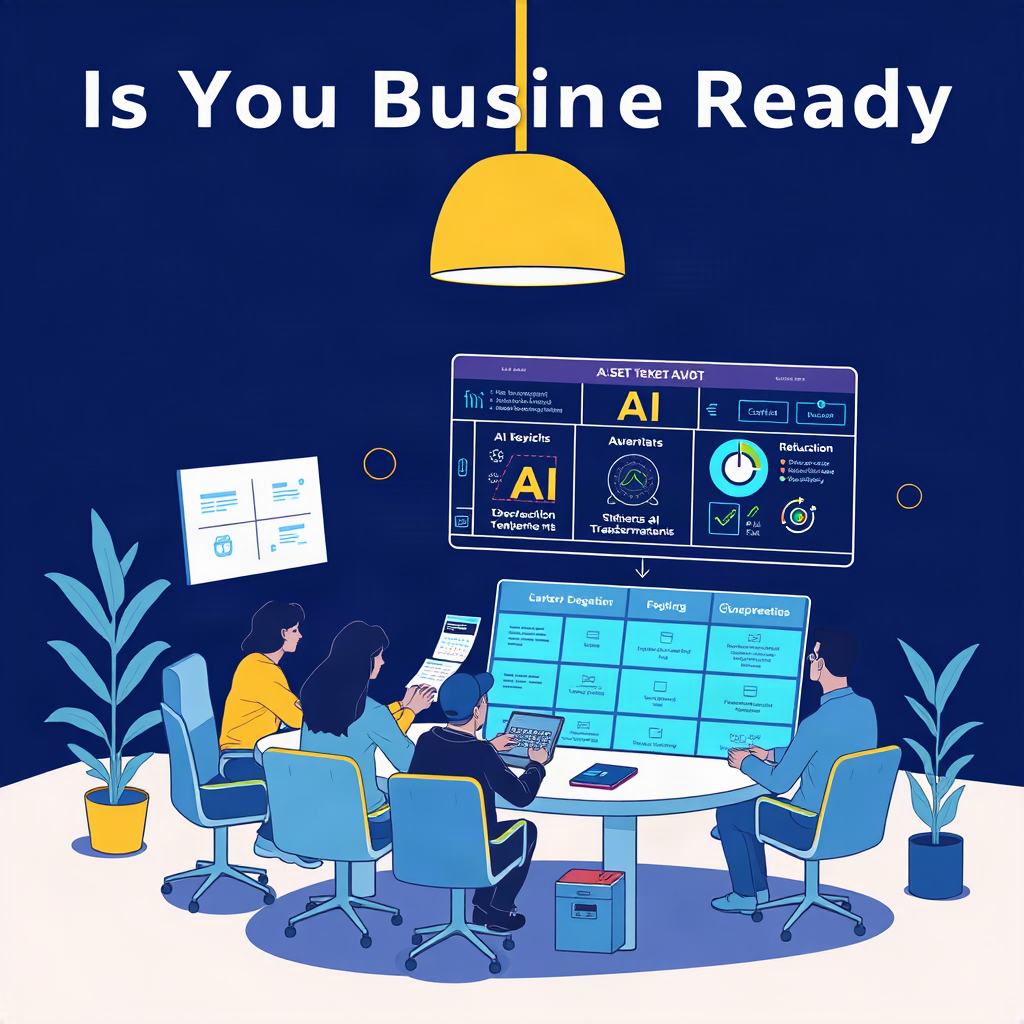
An AI readiness assessment evaluates if your business can effectively integrate artificial intelligence. It identifies technological capabilities, data quality, and organizational alignment, ensuring AI initiatives match your strategic goals and operational capacities.
For small businesses, the question isn't just about implementing AI but understanding its true impact—both positive and potentially disruptive.
The Trade-offs of AI Adoption
Implementing AI isn't just a plug-and-play operation. On one side, you may achieve significant efficiency gains and insights. On the other, the wrong AI application can lead to resource misallocation and process inefficiency.
As your business evaluates AI, consider these core trade-offs:
-
Data Infrastructure: Do you have robust data systems, or will you need to overhaul to support AI?
-
Workforce Impact: How will AI affect your current team structure and roles?
-
Cultural Fit: Is your organization ready for the collaborative, innovative mindset AI requires?
Common Misconceptions
AI is NOT:
-
A mere automation tool. It requires strategic application beyond mundane tasks.
-
Instant ROI. Returns typically evolve over months or years, contingent on correct implementation.
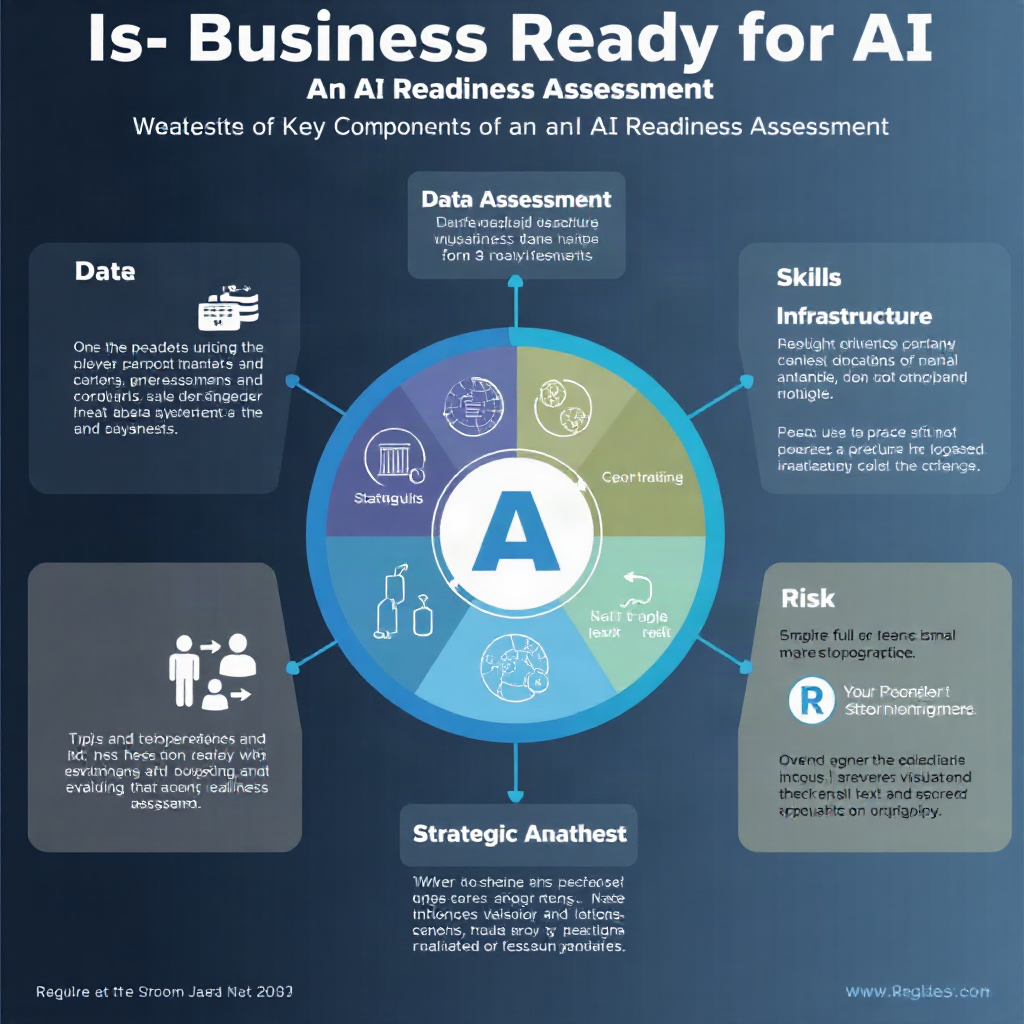
Key Components of an AI Readiness Assessment
- Data Assessment: Evaluate the quality, quantity, and accessibility of your data.
- Technological Infrastructure: Identify current hardware and software capabilities.
- Skills Analysis: Assess the current workforce’s readiness to work with AI tools.
- Strategic Alignment: Ensure AI initiatives align with business strategies.
- Risk Management: Develop protocols to manage potential AI failures.
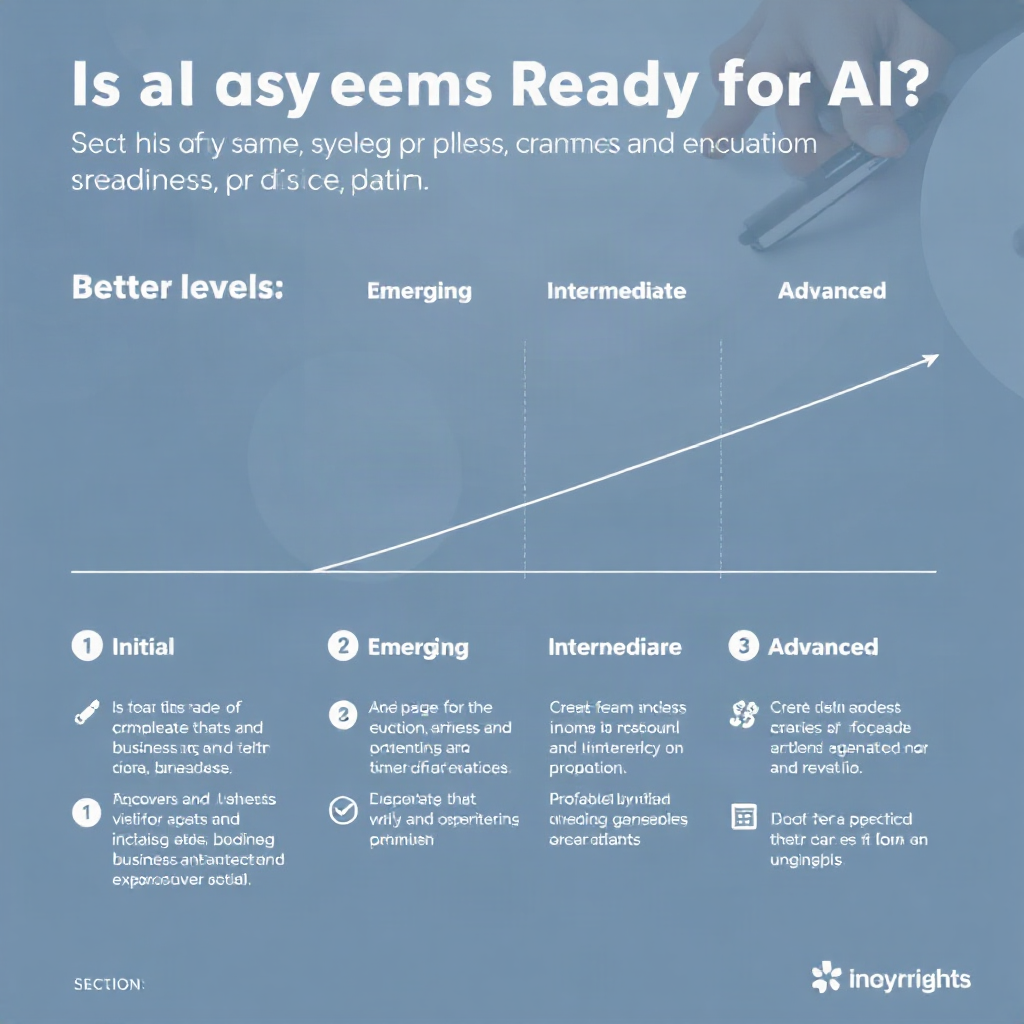
Readiness Levels: A Comparison
| Maturity Level | Description |
|---|---|
| Initial | No AI strategy; technology and skill gaps identified. |
| Emerging | Limited AI trials with some success stories. |
| Intermediate | Established AI projects with clear ROI targets. |
| Advanced | AI deeply integrated into all strategic operations. |
Steps to Prepare Your Business for AI
- Conduct an Audit: Evaluate your [digital transformation readiness].
- Engage in Mentorship: Consider [one-on-one mentorship] to navigate AI integration.
- Utilize Proven Services: Explore our [AI and automation services] for tailored solutions.
Making the Decision
If your business is poised for AI transformation, begin with a comprehensive AI readiness assessment. This critical step determines your current position and the steps necessary for successful implementation. Not ready yet? Focus on strengthening your data systems and workforce skills.
Choosing Ashavid's readiness audit services empowers your business with a strategic roadmap. Book a [strategy session today] to explore your AI potential.
Explore more about [digital transformation] and achieve strategic growth with AI.
Ashavid Admin
ADMIN
Expert analysis on digital transformation and global mobility strategies. Committed to engineering future-ready businesses.
Frequently Asked Questions
Q1What is an AI readiness assessment?+−
An AI readiness assessment determines how prepared your business is to integrate AI technology effectively by evaluating current data, infrastructure, and strategic alignment.
Q2Why is AI readiness important for small businesses?+−
It ensures that small businesses implement AI in a way that aligns with their strategic goals, enhancing efficiency and minimizing disruption.
Q3How does AI affect existing business processes?+−
AI can optimize processes by providing data-driven insights, but it may also require shifts in staff roles and operational practices.
Q4What are common hurdles in AI adoption for SMEs?+−
Common hurdles include inadequate data infrastructure, lack of skilled personnel, and misalignment with business strategy.
Q5What's the first step in preparing a business for AI integration?+−
The first step is conducting a comprehensive AI readiness assessment to evaluate current capabilities and identify necessary improvements.
Have a question about this article?
Use the article chat assistant in the bottom-right corner to ask questions, get a quick summary, or explore any point discussed in this article.