



Executive Brief
The Essential Steps to Hiring Your First Employee in Canada
Hiring your first employee in Canada involves understanding employment laws, setting up a payroll system, and determining whether to classify the new hire as an employee or contractor. Compliance with Canadian regulations is crucial, requiring registration with the CRA, setting up deductions, and considering factors like insurance and contracts.
Understand Canadian Employment Laws
Before hiring, familiarize yourself with key legal requirements:
- Employee vs. Contractor: Understand the differences in classification as this affects taxes, benefits, and employment rights. Misclassification can lead to penalties.
- Registration: If your business pays employees, you must register for a payroll account with the Canada Revenue Agency (CRA). This involves obtaining a business number and payroll account.
- Work Permits: If hiring a foreign worker, ensure they have the necessary work permits—particularly for positions specific to certain skill sets or industries.
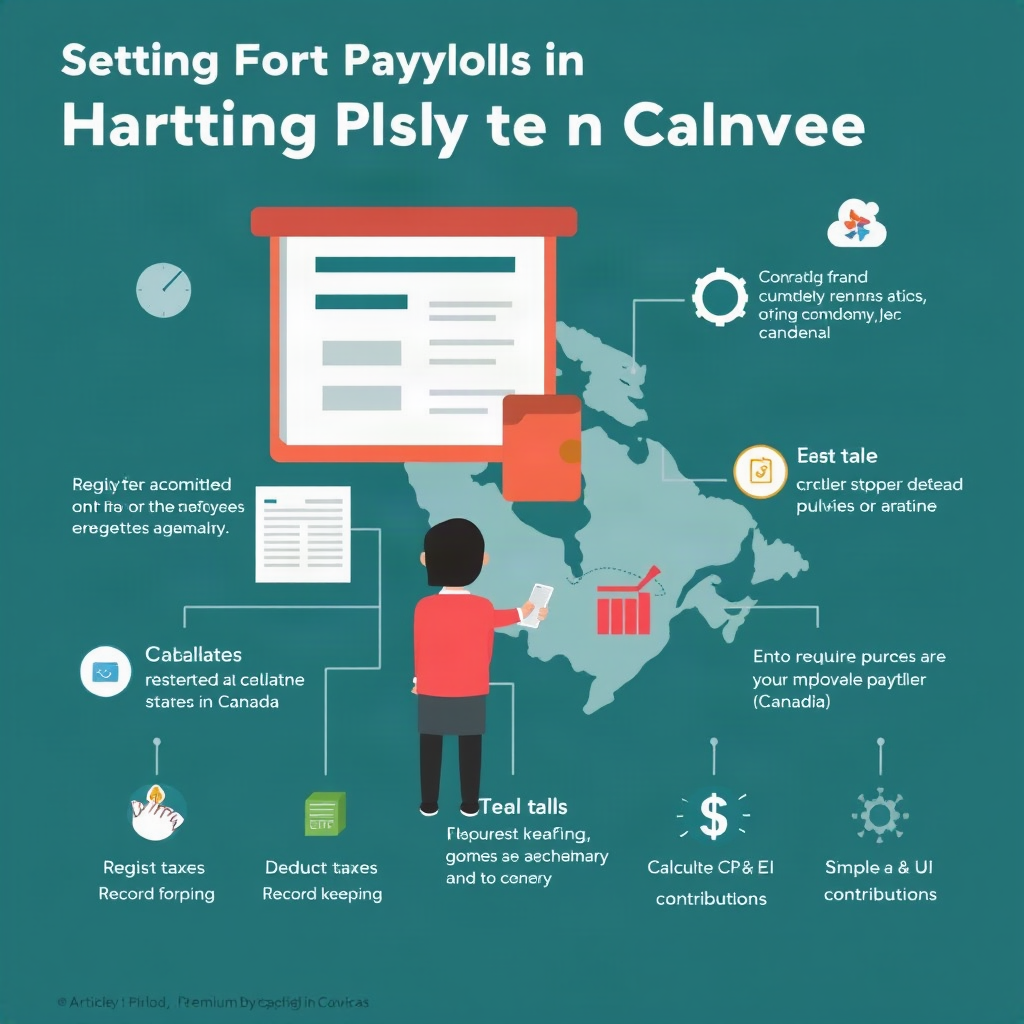
Setting Up Payroll in Canada
Proper payroll setup ensures compliance and smooth operations:
-
Register with CRA: You need a CRA payroll account to remit taxes and deductions.
-
Deductions and Contributions: Calculate and withhold federal and provincial income tax, Canada Pension Plan (CPP) contributions, and Employment Insurance (EI) premiums.
-
Record Keeping: Maintain detailed records, including hours worked, wages, and deductions, for at least six years.
For more on optimizing your business operations, explore our operations performance services.
Planning for the First Hire
-
Determine Role and Responsibilities: Clearly define the position, responsibilities, and expectations.
-
Create a Job Offer Letter: Include compensation, start date, and other relevant terms.
-
Onboarding Process: Develop a structured onboarding process that integrates the new employee efficiently into your company culture.
Consider mentorship programs to help refine your hiring strategy with expert guidance.
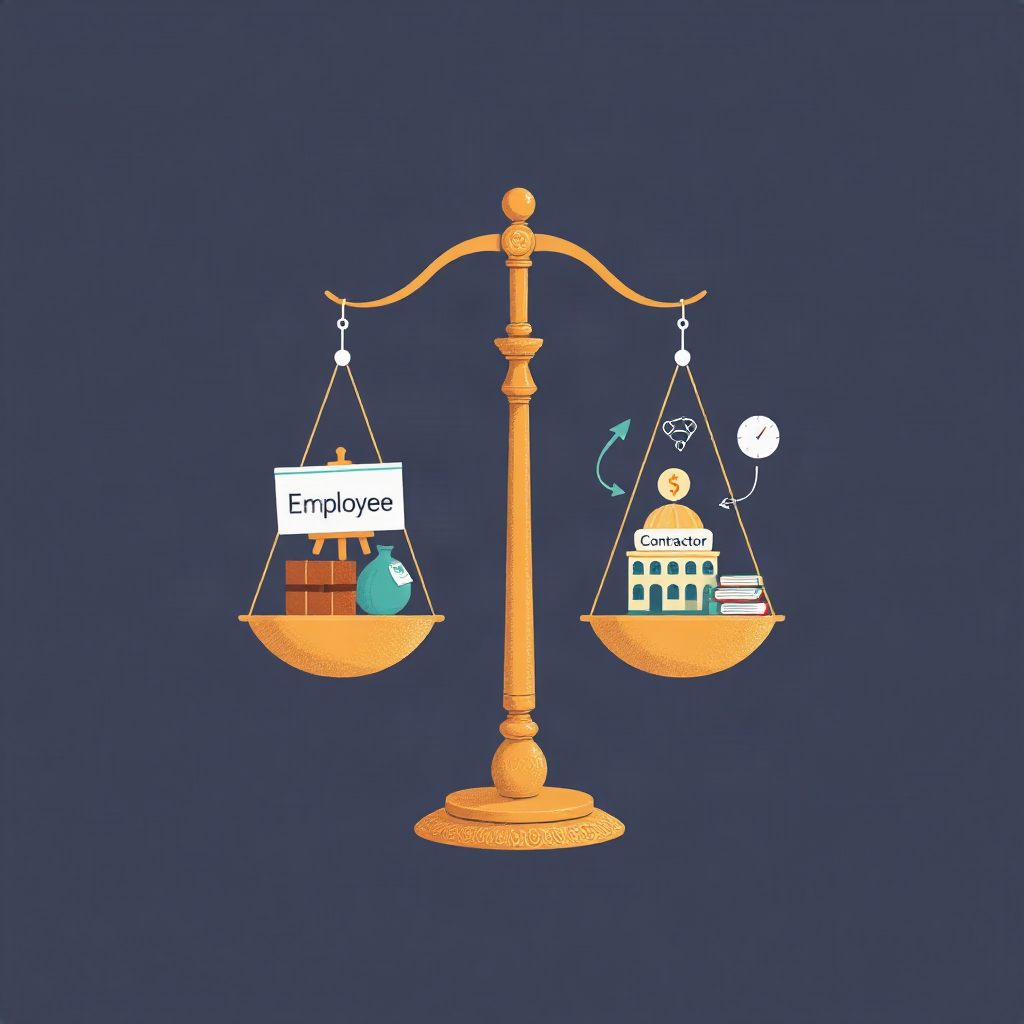
Choosing Between Employee and Contractor
The choice between hiring an employee or a contractor depends on:
-
Control Over Work: Employees tend to have more structured hours and responsibilities, while contractors have more control over how they achieve results.
-
Financial Considerations: Understand cost implications, including benefits and tax responsibilities, to make an informed decision.
For strategic business advice tailored to your needs, book a strategy session with our experts.
Mitigating Risks and Compliance
-
Insurance Requirements: Consider workers' compensation insurance and other relevant policies.
-
Employment Standards Compliance: Stay up to date with minimum wage laws, overtime pay, and working conditions.
Using these insights and resources, you can navigate the complexities of hiring and ensure you build a strong foundation for your expanding team. If you're setting up your business for growth, consider our digital transformation services to support broader operational needs.
Decision-Making: The Next Steps
Success in hiring lies not only in finding the right person but in integrating them effectively. Prioritize compliance to avoid pitfalls. If you need operational guidance, Ashavid's founder programs, like the pre-accelerator cohort, can tailor support to your business's stage and needs.
Ashavid Admin
ADMIN
Expert analysis on digital transformation and global mobility strategies. Committed to engineering future-ready businesses.
Frequently Asked Questions
Q1What are the first steps to hiring an employee in Canada?+−
Start by understanding employment laws, registering with the CRA for payroll, and determining the role and responsibilities of the new hire.
Q2How do I decide between hiring an employee or a contractor?+−
Consider control over work, financial implications, and contractual obligations to decide between employee or contractor status.
Q3What payroll setup is required in Canada?+−
You'll need to register for a CRA payroll account, calculate and withhold appropriate taxes and contributions, and maintain detailed records.
Q4What is the importance of a job offer letter?+−
A job offer letter outlines compensation, start date, and responsibilities, offering clarity and legal protection for both parties.
Q5Why is onboarding important for new hires?+−
A structured onboarding process helps new employees integrate into the company, improving engagement and efficiency.
Have a question about this article?
Use the article chat assistant in the bottom-right corner to ask questions, get a quick summary, or explore any point discussed in this article.