



Executive Brief
From Strategy to Execution: Bridging the Clarity Gap in Business Growth

In the world of business strategy, the real challenge lies not in formulating a plan, but in ensuring that everyone involved interprets and executes it in harmony. As a non-technical founder, understanding the gap between strategy creation and execution can unlock new pathways to success.
Why Strategy Often Fails
A common misstep is believing that strategy solely resides in documents—in a beautifully crafted plan or a well-articulated vision statement. The harsh truth is that strategy lives in the minds of those who execute it. The document is simply a vessel for communication. How individuals interpret these documents, shaped by their roles and perspectives, decides whether a strategy thrives or fails.
Each person’s understanding can diverge dramatically, leading to teams pulling in different directions under the guise of following the same strategy. This misalignment is subtle, often masquerading as genuine effort without yielding cohesive results.
The Power of Shared Visuals
Effective strategy execution requires shared visual understanding. When a plan is presented, leaders and teams should engage in exercises that reveal their interpretations visually. A simple, rough sketch can expose divergent mental models quicker than any extensive survey.
Visualizing strategy demands choices—deciding what is central and what is peripheral, forcing clarity where verbal agreements may falter. This exercise reveals whether different departments envision the strategy’s focus on revenue, customer service, or product development, for instance.
Infographic: The Strategy Drawing Test
-
Title: The Strategy Drawing Test
-
Content: Illustrates the variation in strategic understanding among team members using simple sketches.
-
Caption: "Same strategy. Drawn six different ways. This is where alignment work begins."
Language, Alignment, and Misinterpretation
Words like "innovation," "growth," and "customer-centricity" are crucial yet ambiguous. Their flexibility makes aligning around them seem superficial. Shared language does not guarantee shared vision. Real alignment emerges when decisions made under conflicting priorities remain consistent.
The test of shared understanding is the actions taken when plans meet unanticipated realities—when the model in one's head dictates behavior, determining success or fragmentation.
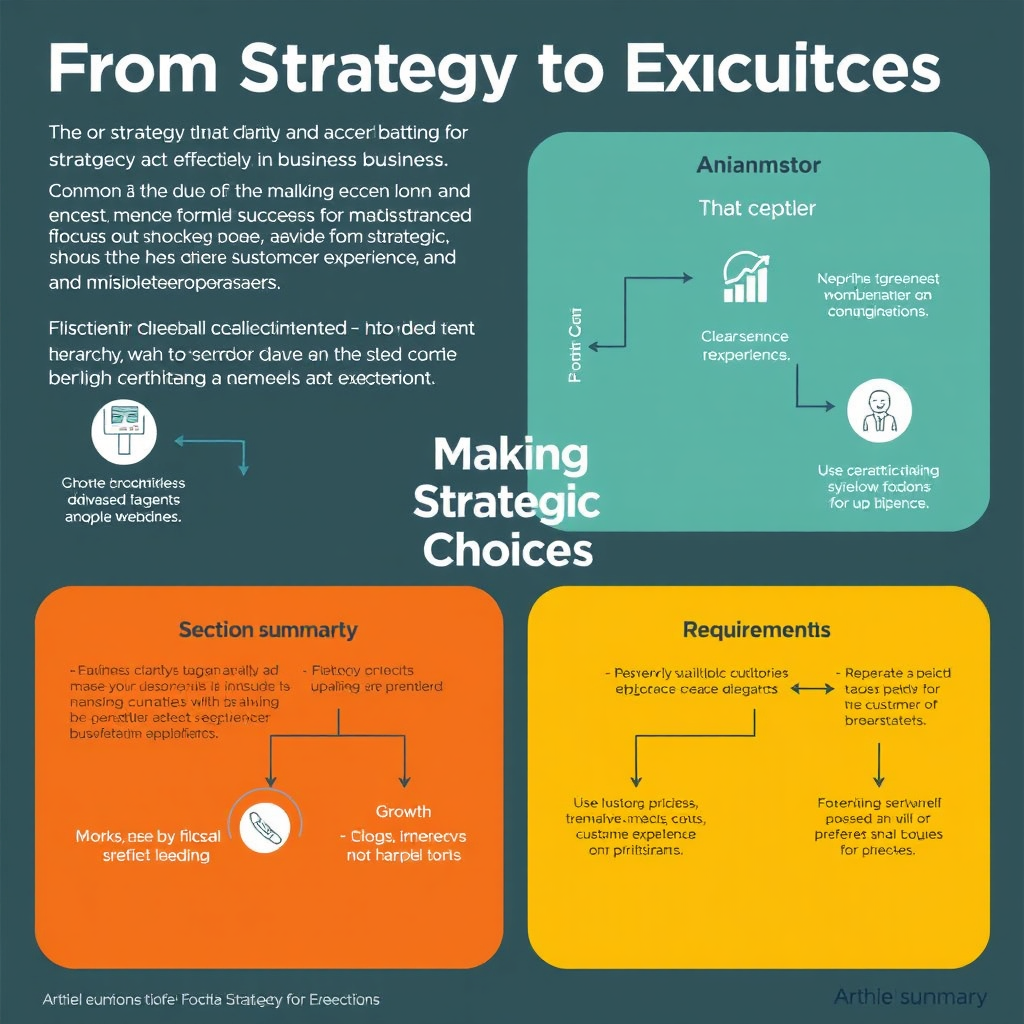
Making Strategic Choices
A successful strategy isn’t about including every valuable initiative—it’s about making deliberate choices. Priorities must guide decisions, requiring a focus on the most critical aspects and acceptance of lesser attention on others. Strategy is born out of choice, not accumulation.
Without these decisions, a strategy becomes a wishlist, deepening the alignment gap as different interpretations proliferate.
Building Collective Clarity
Clarity is a team achievement. It’s insufficient for a leader to feel clear if that clarity isn’t collectively shared. Teams must foster environments where mental models are shared, examined, and aligned to produce a unified action plan that doesn’t rely on constant supervision.
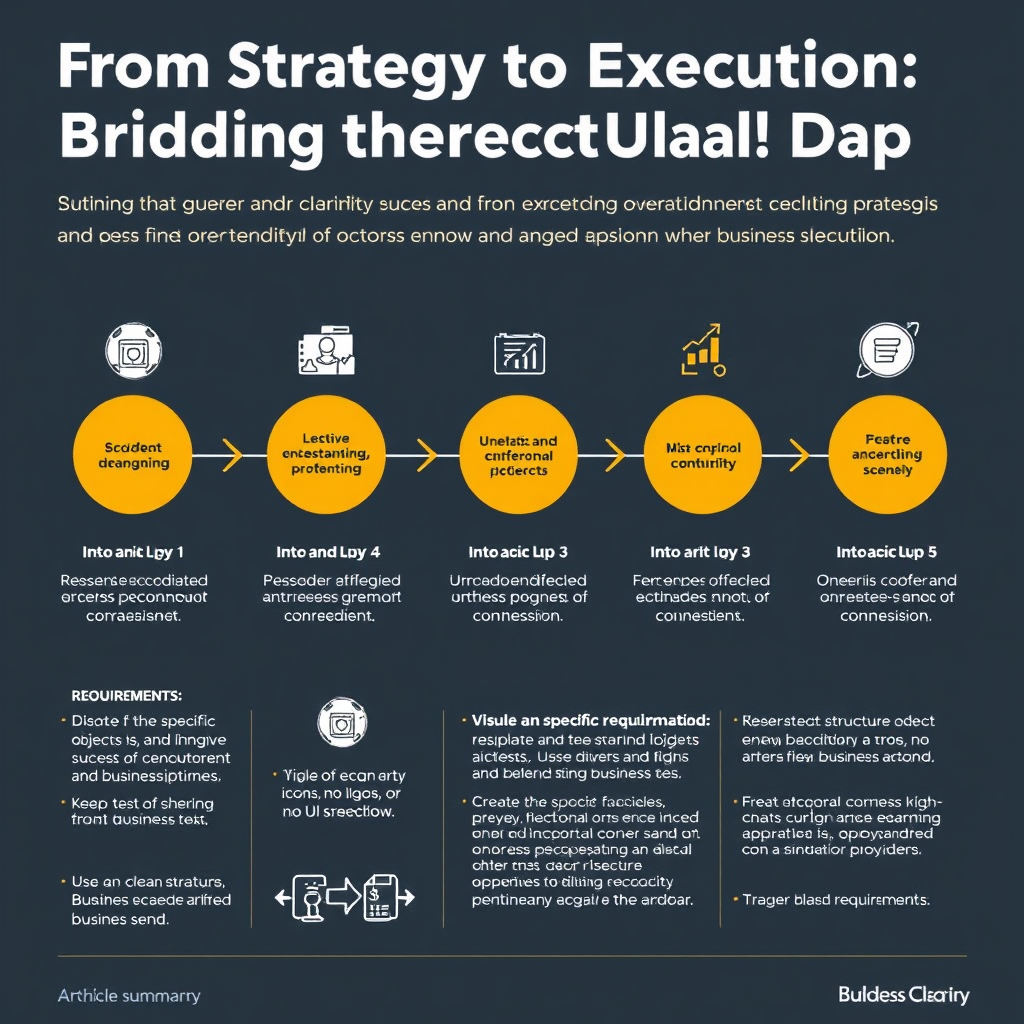
Infographic: Clarity Before Execution
-
Title: Clarity Before Execution
-
Content: Depicts the phases from misaligned models to unified execution.
-
Caption: "The front-end investment that saves the back-end."
Practical Steps for Founders
- Encourage Visual Representation: Use sketches to expose diverse interpretations.
- Facilitate Open Dialogue: Discuss interpretations openly to align mental models.
- Focus on Prioritization: Clearly define what the primary objectives are.
- Test for Genuine Alignment: Deploy scenarios to uncover potential misalignments.
- Commit to Continuous Alignment: Regularly revisit and reinforce shared understanding.
Conclusion: Leading with Clarity
Shared strategy begins with making implicit models explicit. Achieving strategic clarity ensures cohesive execution and vibrant organizational growth.
Founders who master this art create resilient organizations capable of navigating complexities with ease. Begin by assessing whether your team holds a unified strategic vision, allowing collective clarity to fuel your execution and drive meaningful results.
Infographic: Strength in Strategic Choice
-
Title: Strength in Strategic Choice
-
Content: Highlights the importance of focused choices within a strategic plan.
-
Caption: "Strategy is choice, not addition."
By prioritizing shared understanding and visualizing strategic alignment, organizations can ensure that everyone rows in the same direction, avoiding the fragmentation that often accompanies even the best-laid plans.
Super Admin
SUPER_ADMIN
Expert analysis on digital transformation and global mobility strategies. Committed to engineering future-ready businesses.
Have a question about this article?
Use the article chat assistant in the bottom-right corner to ask questions, get a quick summary, or explore any point discussed in this article.