


Executive Brief
Unveiling the Business Operating System for Founders
Canadian entrepreneurs face a distinct landscape, with over 20,000 Iranian-owned businesses contributing to a diverse business environment. Navigating this requires a robust business operating system for founders — a mechanism for structured, scalable growth.
A business operating system for founders is a framework that streamlines administration, decision-making, and execution. It integrates tools and processes to enhance efficiency and adaptability, allowing founders to focus on growth and innovation. Key components include operating cadence, strategic planning, and performance metrics.
The Core of Founder Systems
Founders encounter constant tradeoffs between operational efficiency and creative innovation. The real challenge lies in establishing systems that maintain momentum without stifling flexibility. An effective system must:
-
Prioritize Key Metrics: Use specific metrics such as customer acquisition cost and lifetime value rather than generic indicators.
-
Mechanize Regular Reviews: Weekly versions scan operating cadence and quarterly reviews realign strategic goals.
-
Foster Decision Agility: Structure your organization to make informed decisions based on data, not intuition.
What a Business Operating System is Not
An effective operating system is not an assembly of ad-hoc tools or fragmented processes. Instead, it excludes:
-
Isolated Software: Systems should be integrated, not standalone apps or SaaS products.
-
Rigid Bureaucracy: Flexibility remains pivotal; avoid overlaid processes that slow decision-making.
Implementing Effective Operating Cadence
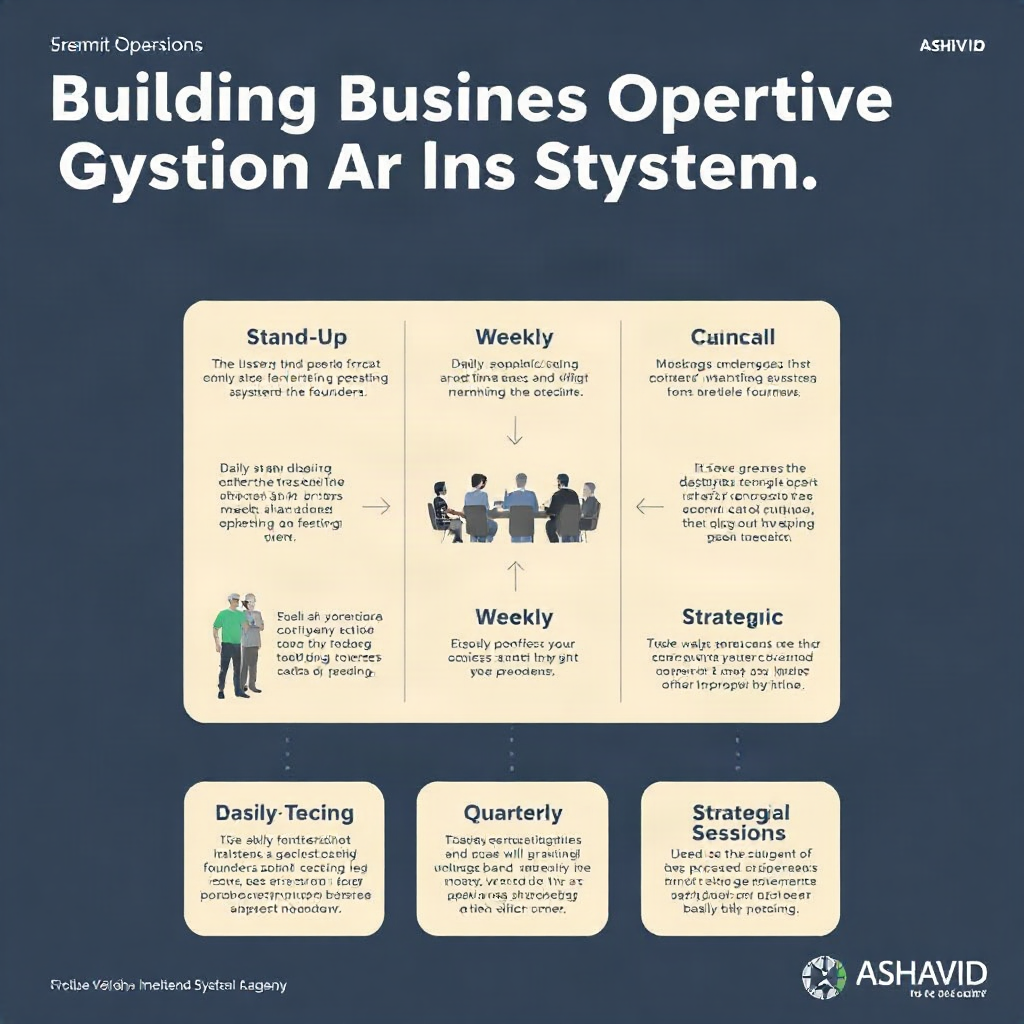
Operating cadence refers to the rhythm of business activities and decision-making processes. Here’s how to establish a successful cadence:
-
Daily Stand-ups: Foster quick updates amongst teams to keep everyone aligned.
-
Weekly Tactical Meetings: Focus on assessing performance against key metrics.
-
Quarterly Strategic Sessions: Revisit long-term goals and adjust strategies where necessary.
Detailed planning requires an understanding of mechanisms over mere forecasts. For tailored advice, our one-on-one mentorship programs are designed to guide you.
Structuring Your Business Framework
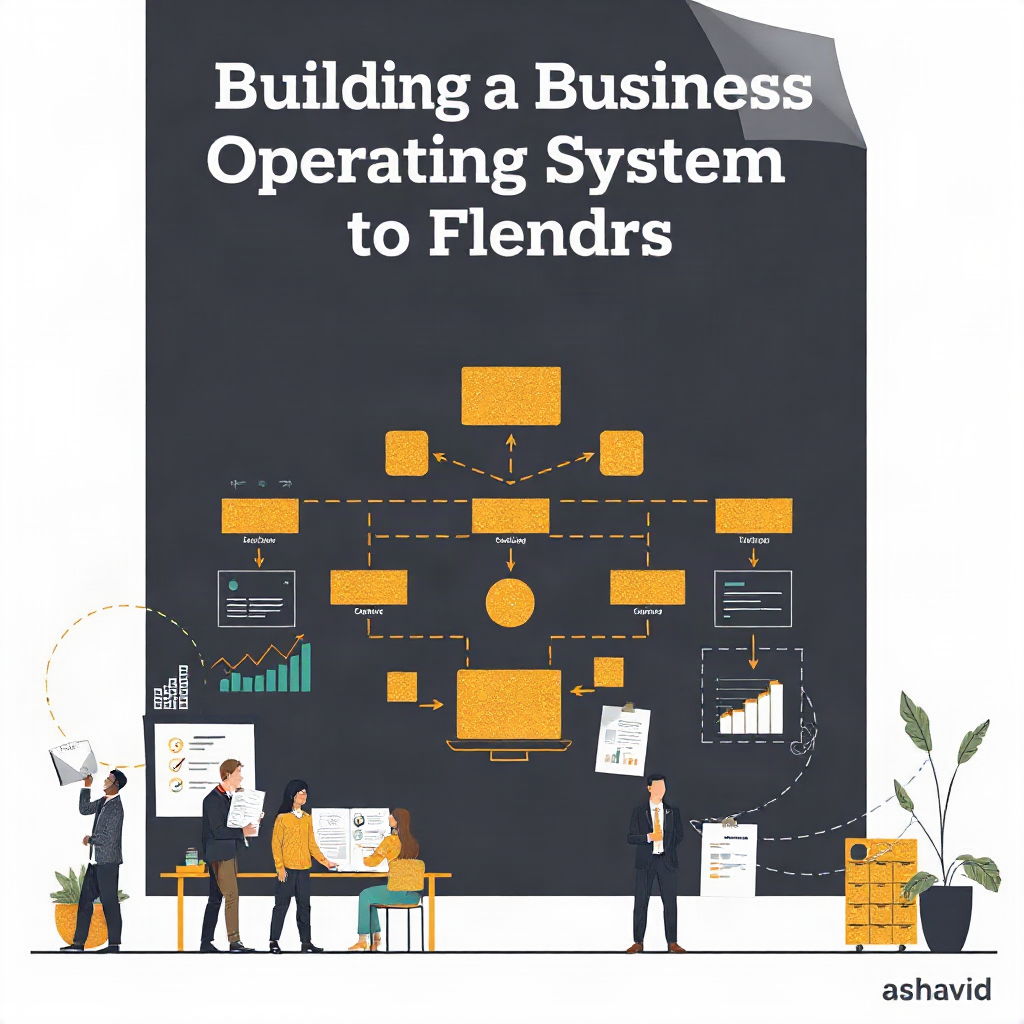
Constructing a business framework distills complexity into manageable components, like segmenting responsibilities across co-founders or identifying unique selling propositions. Both tangible and intangible elements contribute:
-
Organizational Charts: Clearly defined roles prevent overlaps and ensure accountability.
-
Strategic Roadmaps: Align product development with a three-year vision, adaptable yet focused.
Explore our operations performance offerings to optimize your framework further.
Decision Making: The Core of Execution
Effective decision-making relies on data-driven insights over assumptions. Establish a decision matrix to evaluate potential moves against pre-defined success metrics.
-
Data Source Reliability: Ensure all decision-driving data is accurate and recent.
-
Scenario Analysis: Conduct ‘what-if’ scenarios regularly, refining strategies accordingly.
Moving Forward with Expertise
Incorporating a robust business operating system equips founders to innovate without losing operational grip. As you consider enhancing your company's operational backbone, investing in trusted mentorship is invaluable. To explore tailored solutions, book a strategy session with Ashavid.
Concluding on Decisions, Not Summaries
Ultimately, embracing a structured business operating system for founders aids in sustainable growth. Evaluate your company's needs, and if aligning with Ashavid feels right, reach out to us. Our expertise in transforming operations into fluid systems aids in elevating your business.
Ashavid Admin
ADMIN
Expert analysis on digital transformation and global mobility strategies. Committed to engineering future-ready businesses.
Frequently Asked Questions
Q1What is a business operating system for founders?+−
It's a framework that integrates tools and processes to streamline administration, decision-making, and execution, enhancing efficiency.
Q2Why is operating cadence important?+−
Operating cadence establishes a rhythm for business activities, ensuring consistent performance reviews and strategic realignments.
Q3How do I implement a business operating system?+−
Focus on integrated tools, specific key metrics, structured decision-making processes, and regular strategic sessions.
Q4What is the difference between an operating system and standalone software?+−
An operating system is an integrated framework that coordinates various business functions, whereas standalone software addresses individual needs.
Q5How can mentorship help in setting up my operating system?+−
Mentorship offers tailored guidance, aligning your business operations with growth goals and enhancing strategic planning.
Have a question about this article?
Use the article chat assistant in the bottom-right corner to ask questions, get a quick summary, or explore any point discussed in this article.