

Executive Brief
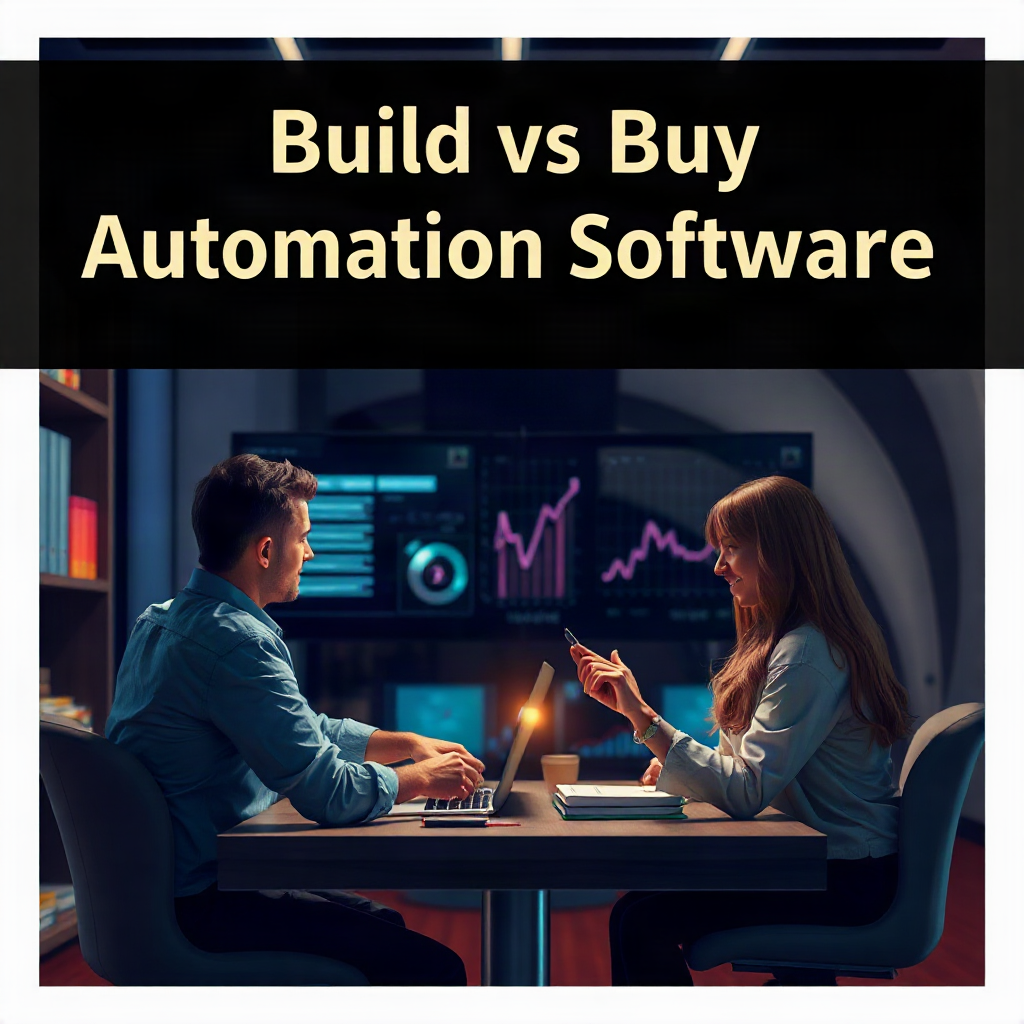
Build vs Buy Automation Software: Understanding the Costs and Tradeoffs
In 2022, 54% of small to medium-sized enterprises (SMEs) planned to increase their investment in automation software. But should these businesses build their own solutions or buy off-the-shelf products? Understanding the "build vs buy automation software" debate is critical for making an informed decision.
Real Tensions in Automation Decisions
Building automation software from scratch provides unparalleled customization, but it demands significant development resources. Conversely, purchasing existing software accelerates deployment but often comes at the cost of flexibility. Enterprises frequently overlook these tensions, assuming one-size-fits-all solutions or misjudging the required investment.
Key Considerations in the Decision-Making Process
1. Customization vs. Standardization
Building software allows for customization specific to your unique business needs. For example, an e-commerce company with distinct processes may find it challenging to adapt standard software solutions.
2. Cost Analysis
Constructing an in-house solution can be resource-intensive, demanding skilled personnel, extended timelines, and ongoing maintenance. Conversely, buying software often reduces upfront costs but may involve subscription fees and licensing.
3. Time-to-Market
Commercial-off-the-shelf (COTS) solutions enable rapid deployment. According to a 2023 report, businesses utilizing COTS experienced up to 40% faster implementation times than those developing in-house.
4. Scalability Considerations
Custom solutions grow with your business, adapting to new roles or products. In contrast, SaaS solutions often require tiered pricing based on scale.
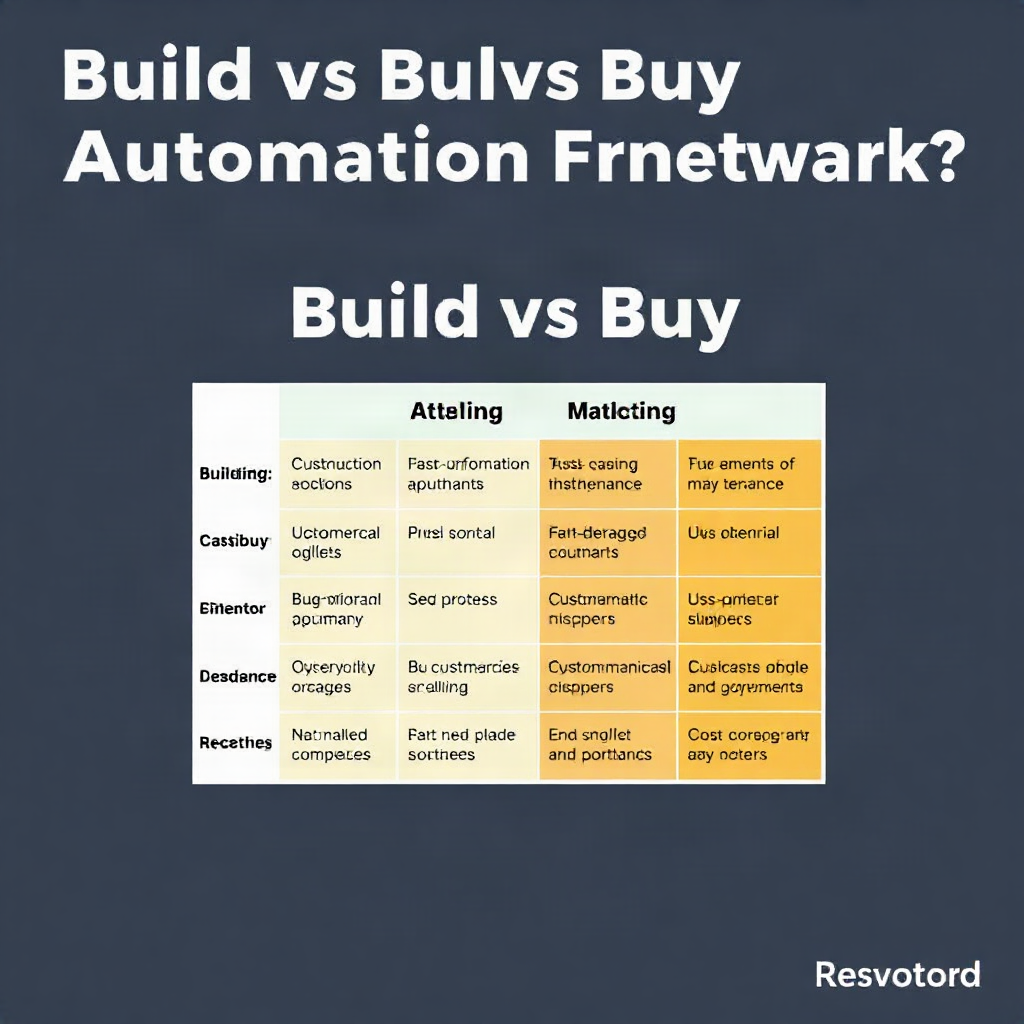
Comparing Build vs Buy: A Decision Table
| Factor | Build | Buy |
|---|---|---|
| Customization | High – tailored to specific needs | Low – limited to vendor features |
| Initial Costs | High – development and infrastructure | Moderate – subscription/license fees |
| Time-to-Deploy | Slow – often months to years | Fast – typically weeks to months |
| Maintenance | Ongoing – internal resources needed | Vendor managed – included in service |
Distinctive Traits of Custom Automation vs SaaS
-
Custom Automation: Data privacy highly controllable, ideal for regulations or proprietary operations.
-
SaaS Solutions: Generally versatile with broad uptime guarantees, potentially vulnerable to vendor changes.
Practical Steps for Making Your Decision
-
Conduct a Readiness Audit: Assess internal capabilities and readiness for AI and automation through a digital transformation readiness audit.
-
Evaluate the Long-term Strategy: Align technology decisions with business goals by exploring strategy readiness services.
-
Engage in Strategic Conversations: Book a strategy session to dive deep into your specific challenges and opportunities.
-
Explore Mentorship Programs: Consider one-on-one mentorship programs to guide you through implementation.
Conclusion: Choose Based on Strategic Fit
Choosing to build or buy should be based on strategic fit, not just costs or perceived ease. Consider the above factors, tailor them to your unique business needs, and proceed with a readiness audit to ensure the decision supports your overall business goals.
By understanding these complexities, you position your business to leverage automation effectively, truly enabling digital transformation.
Ashavid Admin
ADMIN
Expert analysis on digital transformation and global mobility strategies. Committed to engineering future-ready businesses.
Frequently Asked Questions
Q1What are the main factors to consider when deciding to build or buy automation software?+−
Consider factors like customization needs, initial costs, time-to-market, internal capabilities, and long-term scalability when deciding to build or buy automation software.
Q2How does building custom software differ from buying SaaS solutions?+−
Building custom software offers tailored solutions but requires extensive resources. SaaS solutions enable fast deployment with lower initial costs but limit customization.
Q3What is a readiness audit?+−
A readiness audit evaluates your business's current capabilities and readiness for automation and digital transformation, providing a structured assessment to guide strategic decisions.
Q4How can I ensure alignment between automation and my business strategy?+−
Align automation efforts with business strategy by conducting strategic assessments, engaging in mentoring, and leveraging readiness audits to make informed decisions.
Q5What is the primary advantage of SaaS solutions?+−
SaaS solutions offer rapid deployment and consistent updates with vendor-managed maintenance, making them suitable for businesses seeking quick implementation without significant in-house resources.
Have a question about this article?
Use the article chat assistant in the bottom-right corner to ask questions, get a quick summary, or explore any point discussed in this article.