


Executive Brief
AI Automation Mistakes to Avoid: Lessons from Real-world Failures
Unlocking AI's potential doesn't come without its challenges. In 2022, nearly 60% of AI projects reported issues during implementation, highlighting the need for awareness around common mistakes and their solutions.
The Tension Behind AI Automation
Integrating AI into business operations promises efficiency, but it also introduces complexities often overlooked in the enthusiasm to adopt new technology. Many organizations jump into AI without considering the readiness of their existing systems, leading to costly setbacks and frustrations.
Mistake 1: Overestimating AI Capabilities
AI isn't a panacea. It's crucial to separate hype from reality. Systems need precise instructions and quality data to function effectively. Believing that AI will automatically optimize operations leads to underwhelming results and unmet expectations.
- Reality Check: AI models need continuous refinement. If the data isn't curated or relevant, AI predictions can skew significantly, affecting decision-making.
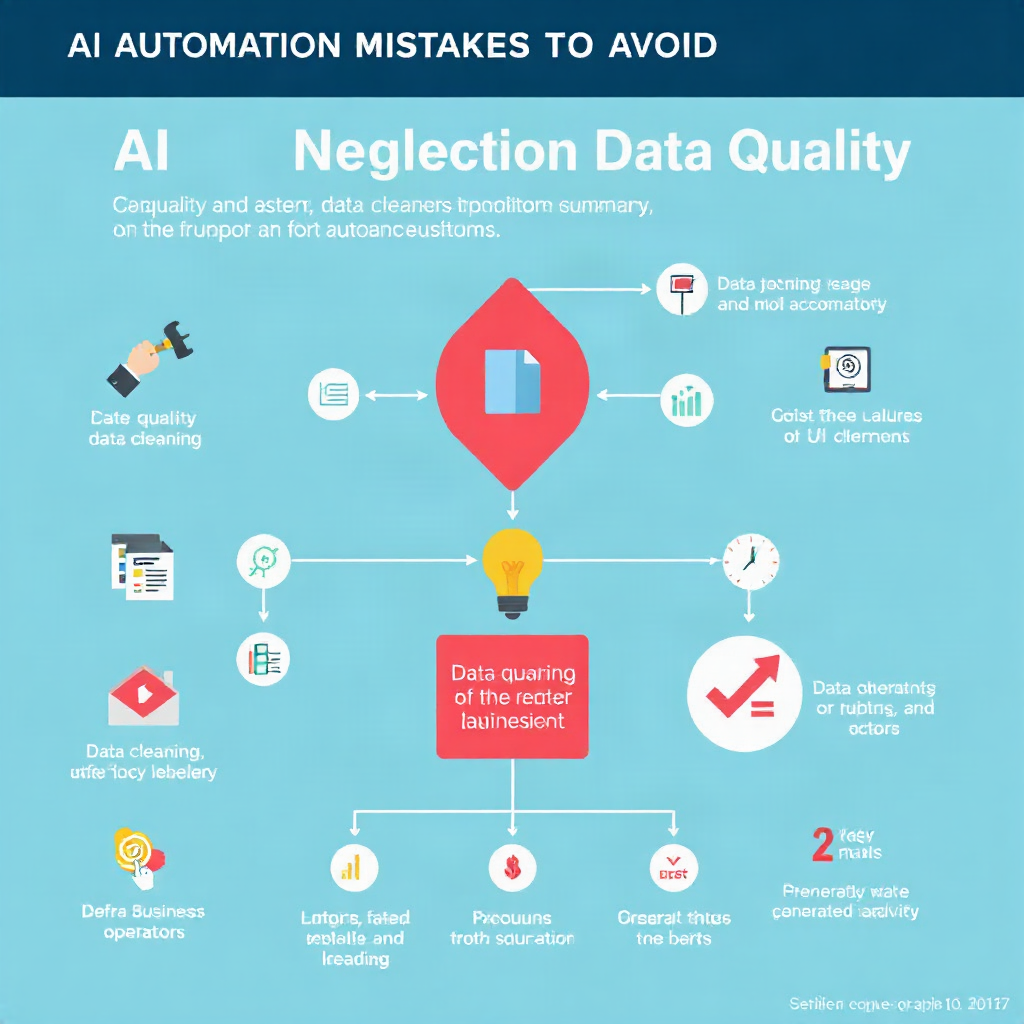
Mistake 2: Neglecting Data Quality
Data is the lifeblood of AI. A report by McKinsey in 2021 found that poor data quality leads to erroneous AI outputs in about 40% of projects.
- What It Means: Organizations must prioritize data hygiene — cleaning, labeling, and maintaining data integrity are foundational practices without which AI efforts will falter.
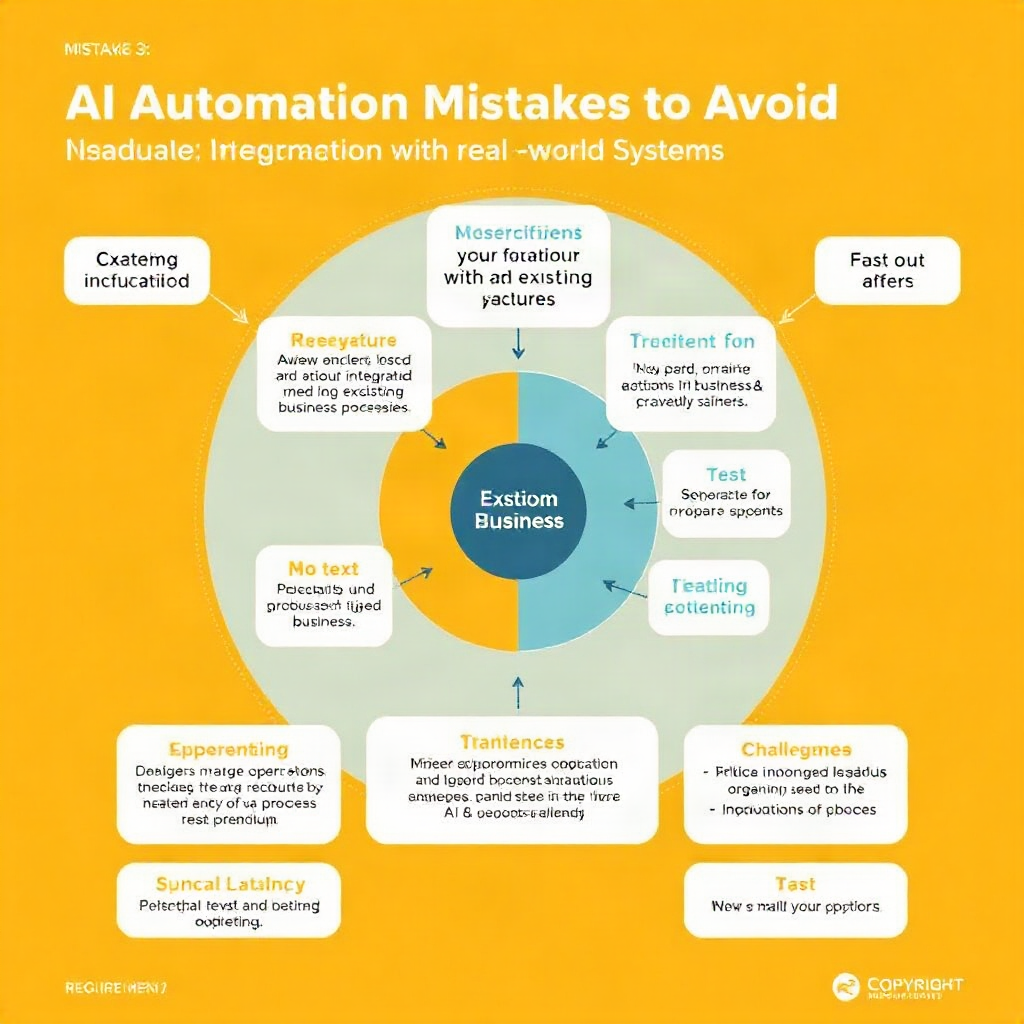
Mistake 3: Inadequate Integration with Existing Systems
AI should enhance, not disrupt. However, if existing processes and AI aren't aligned, the friction can negate any operational advantage.
- Solution: Engage in thorough system audits before implementing AI solutions. ASHAVID's digital transformation readiness audit can help pinpoint integration challenges early on.
Mistake 4: Ignoring the Human Element
Automation doesn't replace the need for human insight. In 2023, 70% of failed automation projects revealed lacking user involvement in the design phase.
- Human Insight: Stakeholder feedback during development ensures that AI tools genuinely serve their users, fostering adoption and trust.
Mistake 5: Scalability Overlooked
AI solutions often start small but must accommodate growth. Failing to plan for scale can lead to a bottleneck as business needs expand.
- Strategy: Design AI implementations with scalability in mind. Test frameworks under varied loads to ensure they can withstand increased demand.

Implementing a Solution
These mistakes emphasize the necessity of a comprehensive readiness analysis before diving into AI. ASHAVID offers a digital transformation readiness audit that evaluates your business’s specific needs, helping mitigate risks and ensure a smooth transition.
Decision Time
If AI is on your horizon, but uncertainty looms, consider starting with ASHAVID’s readiness audit. It identifies potential pitfalls early, ensuring your foray into AI is guided and grounded in robust strategy.
For a deeper dive into operational performance and digital transformation, explore our services offerings. Whether you're ready to proceed or need further guidance, ASHAVID can support your journey towards effective AI integration.
Next Steps: Assess your organization's AI readiness. If ASHAVID feels like the right partner, reach out to book a strategy session.
Ashavid Admin
ADMIN
Expert analysis on digital transformation and global mobility strategies. Committed to engineering future-ready businesses.
Frequently Asked Questions
Q1What are common AI automation mistakes to avoid?+−
Avoid overestimating AI capabilities, neglecting data quality, and failing to integrate AI with existing systems. Conduct a readiness audit for best results.
Q2How can poor data quality affect AI automation?+−
Poor data quality leads to inaccurate AI outputs, undermining predictions and decision-making. Quality data is crucial for AI effectiveness.
Q3Why is human involvement important in AI projects?+−
Human insight ensures AI tools are user-friendly and relevant. Involving stakeholders fosters adoption and identifies potential issues early.
Q4How can organizations ensure successful AI implementation?+−
Conduct a digital transformation readiness audit to identify potential challenges. Consider scalability and integrate AI tools with existing systems.
Q5What services does ASHAVID offer for AI implementation?+−
ASHAVID offers digital transformation readiness audits, operational performance insights, and more to ensure successful AI integration.
Have a question about this article?
Use the article chat assistant in the bottom-right corner to ask questions, get a quick summary, or explore any point discussed in this article.